
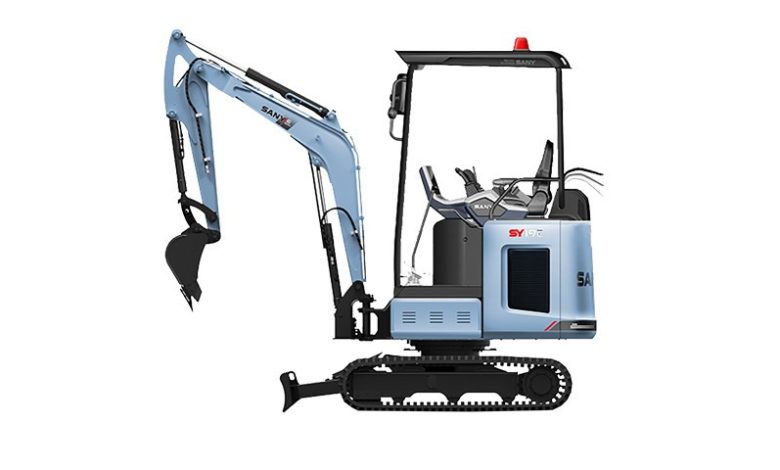
Purchasing a mini excavator requires more than picking the first machine you find. Making an informed decision ensures efficiency and satisfaction with your investment. Consider the diverse applications and benefits of a mini excavator. Assessing your needs and understanding machine specs are crucial steps. From small landscaping jobs to heavy-duty construction, choosing the right equipment can considerably impact project outcomes. Evaluating features aligned with specific tasks helps in maximizing productivity and reducing costs. Additionally, understanding the support and reliability of different brands prevents potential future headaches. This guide will walk you through crucial factors—such as size, attachments, engine specifications, and brand support—ensuring you make a wise investment.
Define Your Project & Site Requirements
Assess the job type and site environment
Before purchasing, clearly define the nature of the projects the mini excavator will handle. Are you primarily working on landscaping, construction, or agricultural applications? Each job type requires different capabilities. Also, consider the environment where the machine will operate. For instance, soft terrains demand different tracks than hard surfaces. Evaluating conditions like weather and soil type can further determine machine adaptability. This pre-assessment helps in narrowing down the list of potential mini excavators. Taking time to analyze these factors early prevents costly mismatches and ensures you invest in a machine that performs reliably across all expected project conditions.
Measure access, space constraints and transport needs
Evaluate the size of the sites you will work on and any access restrictions. Tight spaces might require a more compact machine. Also, consider height and width for maneuverability through gates or narrow passages. Transport needs also play a crucial role. Ensure you have the means for moving the machine from site to site. Keep in mind that larger excavators may require special permits or trailers, impacting your overall budget and logistics. Proper evaluation of these elements ensures smoother operations, reduces unexpected delays, and helps you select equipment that fits your workflow without adding unnecessary complications.
Understand Key Specifications
Operating weight, size and dig depth
Operating weight significantly influences transportation and site impact. Opt for a weight that matches your job needs without overburdening transport. Examine the size, ensuring it aligns with your project environment. Remember that compactness aids in maneuverability. Dig depth is crucial—ensure the excavator’s specs meet your digging requirements. Think about future needs, too, not just the immediate project. Flexibility is key, especially if projects vary. A well-balanced combination of these factors helps you choose a machine capable of handling diverse tasks while maintaining efficiency across changing job-site demands.
Engine power, hydraulic flow and versatility
The engine power of the mini excavator dictates its robustness and capability. Higher power is necessary for tougher jobs but may incur additional costs. Evaluate hydraulic flow, as it determines how efficiently attachments operate. Machines with optimized hydraulic systems offer greater versatility and efficiency on site. Consider models that allow easy interchange of attachments—this flexibility increases overall productivity. Selecting a machine with strong performance fundamentals ensures smoother operation, minimizes downtime, and enables your team to handle complex tasks with greater confidence and precision.
Review Attachments & Versatility
Common attachments and quick-coupler systems
Attachments like buckets, augers, and breakers expand a mini excavator’s versatility. Choosing machines with quick-coupler systems ensures fast, hassle-free swapping of attachments. This feature enhances job-site efficiency, allowing you to shift from one task to another seamlessly. Prioritize compatibility with attachments essential for your projects, whether they involve digging, grading, or loading.
How attachments affect productivity and resale value
Well-selected attachments directly influence your productivity. The right tools enhance task speed and effectiveness. This also positively impacts the machine’s resale value. A mini excavator that accommodates a wide range of attachments is more attractive to potential buyers. Maintain versatility to cover future needs—it improves your investment returns and positions the equipment as a flexible, valuable asset.
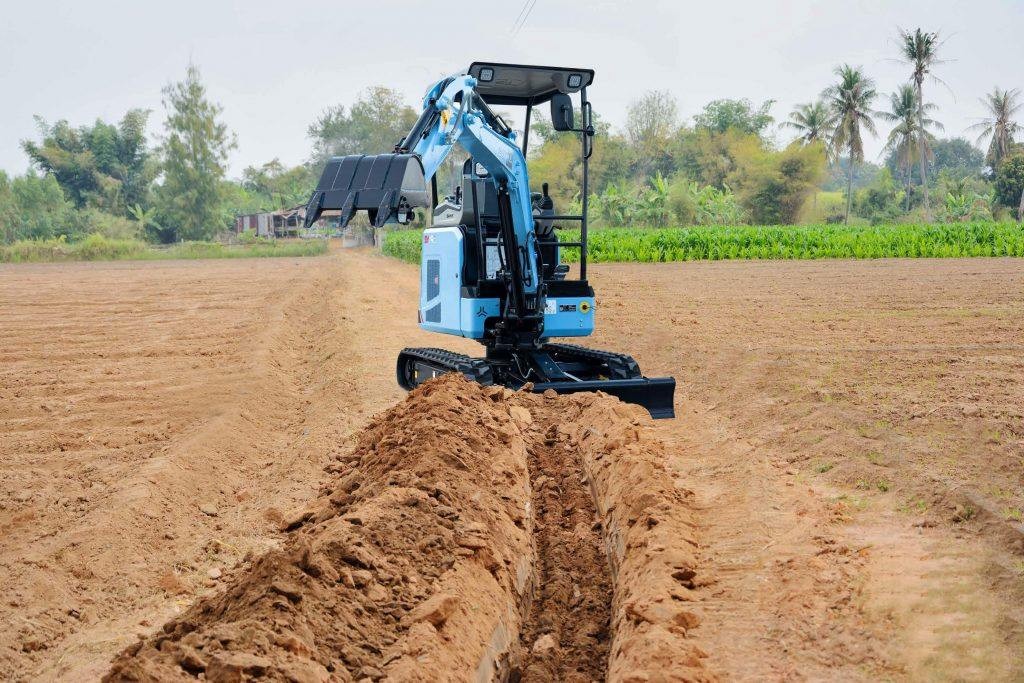
Why Consider the SANY Mini Excavator Series
Highlights from the SANY mini excavator lineup
The SANY mini excavator series delivers exceptional performance and reliability. It offers models with varying specifications, including different operating weights and dig depths, catering to diverse tasks. Noteworthy features include powerful engines and efficient hydraulic systems designed for optimal versatility and productivity.
How SANY’s features align with buying criteria
SANY excavators align seamlessly with essential buying considerations. Their machines provide superior engine power and versatile hydraulic systems, crucial for multiple attachment operations. SANY’s emphasis on quick-coupler systems enhances efficiency, making them an excellent choice for various project needs. Their strong brand support further ensures reliability, aiding long-term user satisfaction.
Conclusion
Selecting a mini excavator involves careful evaluation of several factors. Understanding project needs and site requirements guides you towards the right machine size and specifications. Key specifications like operating weight and engine power play pivotal roles in performance efficiency. Prioritize models with compatible attachments to boost productivity and retain resale value. The SANY mini excavator series stands out with its reliable features and brand support. Ultimately, thorough research and mindful consideration will empower you to make an informed investment ensuring long-term benefits and success for your projects.


