
Introduction
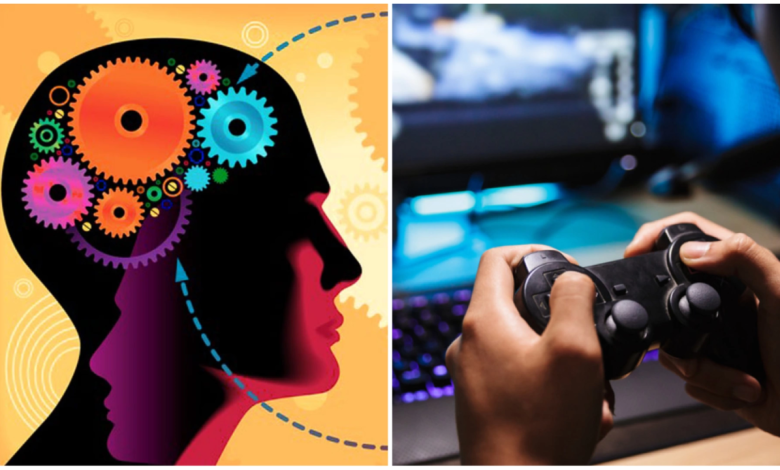
Online slot gacor is often seen purely as a form of entertainment, but research and observation have revealed that it offers numerous health and cognitive benefits. Far from being a passive activity, gaming engages the brain in problem-solving, strategic thinking, and decision-making. It also has potential benefits for mental well-being, social interaction, and even physical coordination in certain cases.
With the rise of mobile and online gaming, millions of players worldwide are experiencing these benefits daily. Games are no longer just fun—they are tools for cognitive development, emotional regulation, and skill-building. Understanding these advantages helps to recognize online gaming as more than leisure, but as a meaningful contributor to personal growth.
Improving Cognitive Abilities
One of the most significant benefits of online gaming is its positive effect on cognitive skills. Many games require players to process information quickly, anticipate outcomes, and make strategic decisions under pressure. These activities engage the brain and strengthen mental agility.
Games that involve puzzles, strategy, or real-time decision-making enhance problem-solving skills. Players learn to analyze situations, plan steps ahead, and adapt to new challenges. These cognitive exercises improve memory, attention span, and mental flexibility.
Action and multiplayer games often demand quick reflexes and rapid information processing. Players develop better hand-eye coordination and spatial awareness, which can translate into improved real-world skills.
Enhancing Attention and Focus
Online gaming can improve focus and concentration. Fast-paced games require sustained attention to details, including enemy movements, environmental changes, and resource management. Players must monitor multiple elements simultaneously, which trains selective attention and multitasking abilities.
This heightened focus is particularly beneficial for tasks that require sustained mental effort. Regular engagement with games can enhance the brain’s ability to process information efficiently and maintain attention over extended periods.
Promoting Problem-Solving and Strategic Thinking
Many online games are built around complex systems and challenges. Players must develop strategies, allocate resources effectively, and solve problems creatively. These activities foster higher-order thinking skills.
Role-playing games, strategy titles, and multiplayer team-based games encourage players to anticipate opponents’ moves, evaluate multiple solutions, and adjust strategies dynamically. This kind of thinking develops analytical skills, planning capabilities, and adaptability.
Boosting Memory and Learning
Certain types of games enhance memory and learning abilities. Players must remember maps, character abilities, quest objectives, and patterns. Recalling these details in real time strengthens both short-term and long-term memory.
Educational games and gamified learning platforms also leverage this potential, turning gameplay into a structured learning experience. Players engage with content interactively, retaining information more effectively than through passive methods like reading or watching videos.
Social Interaction and Emotional Health
Online gaming communities provide valuable opportunities for social engagement. Players communicate, collaborate, and compete with others, creating a sense of belonging and camaraderie. This social interaction supports emotional health by reducing feelings of isolation and loneliness.
Participating in team-based games fosters cooperation, empathy, and leadership skills. Players learn to manage conflicts, coordinate with others, and celebrate collective achievements. These experiences improve social competence and emotional intelligence, which are essential in both gaming and real-world contexts.
Stress Relief and Relaxation
Gaming can serve as a healthy outlet for stress and tension. Immersive gameplay allows players to focus on challenges and goals, providing a distraction from daily worries. The sense of accomplishment after completing tasks or winning matches releases positive neurochemicals like dopamine, enhancing mood.
Certain games, particularly casual or creative ones, encourage relaxation and mindfulness. Activities such as building, exploring, or crafting in games can provide a meditative effect, reducing anxiety and promoting mental well-being.
Developing Decision-Making Skills
Fast-paced and competitive games often require quick decision-making under pressure. Players must evaluate multiple options rapidly, anticipate consequences, and act decisively.
This repeated practice of decision-making enhances cognitive flexibility and judgment. These skills are transferable to real-life situations, improving problem-solving and the ability to make informed choices in personal and professional contexts.
Hand-Eye Coordination and Motor Skills
Action-oriented and rhythm-based games develop hand-eye coordination and fine motor skills. Players navigate virtual environments, respond to visual cues, and execute precise movements using controllers, keyboards, or touchscreens.
These motor skills are especially beneficial for younger players, contributing to physical development alongside cognitive engagement. Even older players maintain coordination and reflexes through regular gameplay.
Creativity and Imagination
Many online games provide open-world environments, customization options, and creative challenges. Players can design characters, build structures, and create virtual worlds, stimulating imagination and creative thinking.
Creative gameplay encourages experimentation, problem-solving, and innovation. It allows players to express themselves, explore new ideas, and develop unique solutions—skills valuable in real-world creative endeavors.
Learning Patience and Resilience
Gaming often involves trial-and-error, setbacks, and repeated attempts to achieve objectives. Players develop patience and resilience as they persist through challenges.
Overcoming difficult levels or achieving mastery in a game teaches the value of perseverance and hard work. These experiences reinforce positive attitudes toward learning and personal growth, helping players navigate challenges beyond gaming.
Cognitive Training for Older Adults
Online games are also beneficial for older adults. Puzzle, strategy, and memory games provide mental stimulation that can delay cognitive decline. Engaging in challenging gameplay exercises memory, attention, and problem-solving, supporting brain health and mental acuity.
Social gaming communities further enhance well-being by offering opportunities for interaction, collaboration, and continued engagement with peers.
Challenges and Responsible Gaming
While online gaming offers numerous cognitive and health benefits, moderation is important. Excessive gameplay can lead to fatigue, eye strain, or reduced physical activity. Setting healthy time limits and balancing gaming with other life activities ensures players gain the benefits without negative consequences.
Developers and communities increasingly provide wellness features, including playtime tracking, reminders, and parental controls, to promote responsible gaming habits.
Conclusion
Online slot depo 5k provides a range of health and cognitive benefits. It enhances memory, focus, problem-solving, decision-making, and creativity while also supporting social interaction and emotional well-being.
By offering engaging, interactive, and challenging experiences, online gaming serves as a powerful tool for mental stimulation and personal growth. When approached responsibly, gaming is not only entertaining but also a positive contributor to cognitive development, social skills, and overall mental health.
The future of gaming will likely continue to expand these benefits as technology advances, creating more immersive, interactive, and educational experiences for players of all ages.


