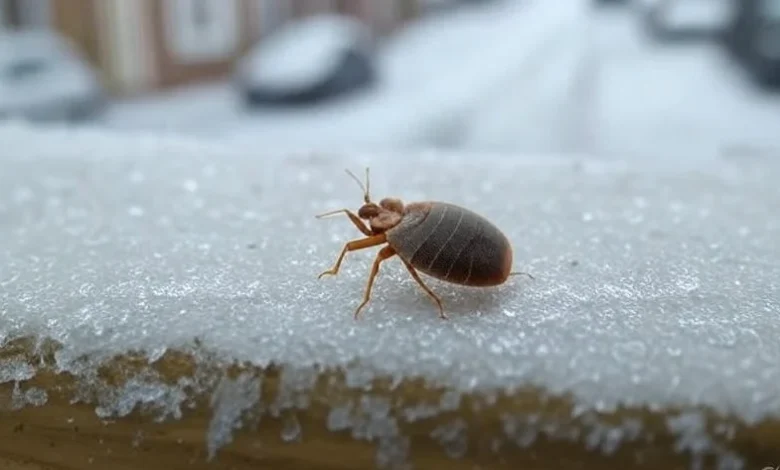
Bed bugs are notorious for their resilience and ability to thrive in a variety of environments, including regions that experience harsh winters. As temperatures drop, many pests either die off or go dormant, but bed bugs have developed unique strategies to persist even in cold climates. Their survival tactics allow them to remain a persistent problem for homeowners and businesses throughout the year, regardless of the season. Understanding how bed bugs manage to endure the winter months is crucial for effective prevention and control, especially in areas where cold weather is a regular occurrence.
How bed bugs adapt to winter
Bed bug biology and cold tolerance
Bed bugs are small, wingless insects that feed exclusively on the blood of warm-blooded animals, primarily humans. Their biology is uniquely suited to surviving in a range of temperatures, but they are particularly adept at withstanding cold conditions. Unlike some insects that die off or hibernate during winter, bed bugs can enter a state known as diapause, which is a form of dormancy that slows their metabolism and reduces their need for food. This adaptation allows them to survive for months without feeding, making them especially difficult to eradicate during colder periods. Bed bugs are also skilled at finding warm hiding spots within homes, such as inside mattresses, furniture, and cracks in walls, where temperatures remain relatively stable despite the cold outside. These hiding places provide the warmth and protection they need to survive until conditions become more favorable for activity and reproduction.
How bed bugs find warmth indoors
When winter arrives and outdoor temperatures plummet, bed bugs instinctively seek out environments that offer warmth and access to their hosts. Human dwellings provide the perfect refuge, as central heating systems keep indoor temperatures comfortable even during the coldest months. Bed bugs are attracted to the carbon dioxide and body heat emitted by sleeping humans, which helps them locate their next meal. They tend to congregate in bedrooms, particularly near beds and upholstered furniture, where they can remain close to their food source. In cities like Salt Lake City, where winters can be harsh, residents often turn to bed bug treatment Salt Lake City services to address infestations that persist year-round. The ability of bed bugs to exploit heated indoor environments is a key factor in their survival during winter, allowing them to continue feeding, breeding, and spreading despite the cold weather outside.
The role of diapause in bed bug survival
Diapause is a critical survival mechanism for bed bugs during winter months. This physiological state is triggered by environmental cues such as lower temperatures and reduced food availability. When in diapause, bed bugs significantly slow their metabolic processes, which allows them to conserve energy and survive extended periods without feeding. This state is not true hibernation, as bed bugs can still respond to the presence of a host if conditions improve. Diapause enables bed bugs to endure unfavorable conditions until temperatures rise and food becomes more accessible. This adaptation is particularly important in colder climates, where food sources may be less predictable and the risk of exposure to lethal temperatures is higher. By entering diapause, bed bugs can effectively “wait out” the winter, resuming normal activity and reproduction when the environment becomes more hospitable.
How cold affects bed bug eggs
Bed bug eggs are remarkably resilient, but they are not immune to the effects of cold temperatures. While adult bed bugs can survive for months without feeding, their eggs are more vulnerable to extreme cold. However, the eggs are often laid in well-insulated areas within homes, such as deep within mattresses, behind baseboards, or inside wall voids, where temperatures rarely drop low enough to be lethal. For cold to effectively kill bed bug eggs, temperatures must remain below freezing for several days, which is uncommon in most indoor environments. This resilience allows bed bug populations to persist and rebound quickly once conditions improve, making eradication challenging even during winter months.
Bed bug activity during winter
Although bed bugs are less active in colder temperatures, they do not become completely dormant. In heated indoor environments, bed bugs continue to seek out hosts and feed, albeit at a slower rate. Their reproductive cycles may slow down, but they do not stop entirely. This means that infestations can continue to grow, albeit more slowly, during the winter months. Homeowners may notice fewer bites or signs of activity, but this does not mean the infestation has been eliminated. Instead, bed bugs are simply biding their time, waiting for conditions to become more favorable for rapid population growth. This ongoing activity underscores the importance of maintaining vigilance and implementing control measures year-round, rather than assuming that winter will naturally resolve the problem.
Quick facts about bed bug winter survival
Bed bugs can survive for several months without feeding, especially in cooler temperatures. Their ability to enter a dormant state and find insulated hiding spots within homes makes them particularly resilient during winter. Even when outdoor temperatures are freezing, indoor environments provide the warmth and access to hosts that bed bugs need to persist. This combination of biological and behavioral adaptations ensures that bed bugs remain a year-round concern, regardless of the season.
Preventing winter bed bug infestations
Preventing bed bug infestations during winter requires a proactive approach. Since bed bugs are adept at finding their way into homes through luggage, clothing, and used furniture, it is important to inspect these items carefully before bringing them indoors. Regularly cleaning and vacuuming bedrooms, especially around beds and upholstered furniture, can help remove potential hiding spots and reduce the risk of infestation. Sealing cracks and crevices in walls, baseboards, and furniture can also limit the places where bed bugs can hide and lay eggs. In addition, maintaining awareness of the signs of bed bug activity, such as small blood stains on sheets or dark spots on mattresses, can help catch infestations early before they become more difficult to control. While winter may slow down bed bug activity, it does not eliminate the risk, making ongoing prevention efforts essential.
Conclusion
Bed bugs have evolved a range of strategies that allow them to survive and even thrive in colder climates during the winter months. Their ability to enter a dormant state, seek out warm indoor environments, and lay eggs in protected areas ensures their persistence regardless of the season. While cold temperatures may slow their activity and reproduction, bed bugs remain a year-round concern for homeowners and businesses alike. Understanding their survival tactics is key to effective prevention and control, especially in regions where winter weather is a regular occurrence. By staying vigilant and implementing consistent prevention measures, it is possible to reduce the risk of infestation and maintain a bed bug-free environment throughout the year.