
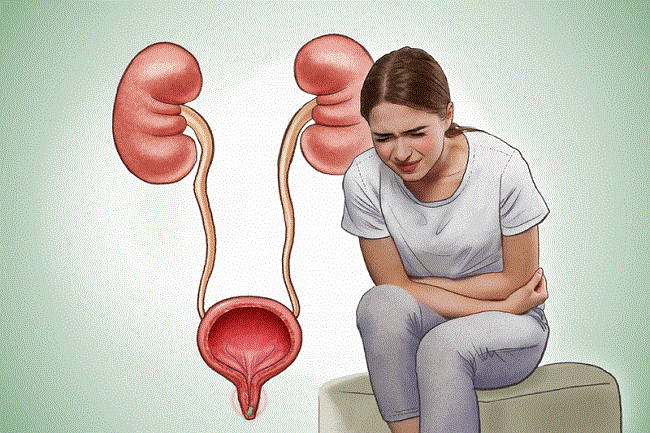
Urinary incontinence affects a significant number of people in Singapore, causing not only physical discomfort but also emotional stress and reduced confidence in daily activities. Many individuals experience temporary relief after treatment, only to find their symptoms returning due to incomplete or inconsistent long-term management. Preventing recurrence is therefore a key part of effective care.
This article explores practical strategies and evidence-based approaches for urinary incontinence treatment Singapore, helping patients maintain lasting results. For those seeking professional guidance, learn more about urinary incontinence treatment in Singapore and how tailored interventions can reduce the risk of symptoms coming back.
Types of Urinary Incontinence and Why Recurrence Happens
Urinary incontinence is not a single condition; it encompasses several types, each with different causes and risk factors. Understanding these distinctions is essential for effective long-term management and preventing recurrence.
- Stress Incontinence: Occurs when physical activities like coughing, sneezing, or lifting put pressure on the bladder, causing leakage. It is often linked to weakened pelvic floor muscles, pregnancy, childbirth, or aging in women. Recurrence can happen if muscle strength is not maintained through consistent pelvic floor exercises or therapy.
- Urge Incontinence: Characterized by a sudden, intense urge to urinate, often caused by overactive bladder muscles or nerve-related conditions. Without ongoing treatment or bladder retraining, symptoms frequently return, especially if triggers such as caffeine or infections are not addressed.
- Mixed Incontinence: A combination of stress and urge symptoms, requiring a comprehensive approach to treatment. Recurrence is common if one aspect of the condition is left unmanaged.
- Overflow Incontinence: Typically caused by incomplete bladder emptying due to obstruction or nerve dysfunction. Recurrence can occur if underlying conditions, such as prostate enlargement in men or neurological disorders, are not continuously monitored and treated.
Recurrence often happens because urinary incontinence is influenced by multiple factors, muscle strength, bladder health, lifestyle habits, and underlying medical conditions. This is why long-term strategies for urinary incontinence treatment Singapore must combine lifestyle, medical, and sometimes surgical interventions tailored to the individual patient.
Importance of a Comprehensive Evaluation
Preventing the recurrence of urinary incontinence begins with a thorough and individualized evaluation. In Singapore, a urologist or specialized clinician will assess not only the type and severity of incontinence but also the patient’s overall health, lifestyle, and medical history.
This comprehensive approach ensures that treatment targets the root causes rather than just managing symptoms. During the evaluation, several steps may be included:
- Medical History Review: Understanding previous incontinence episodes, surgeries, childbirth history, medications, and underlying medical conditions such as diabetes or neurological disorders.
- Physical Examination: Includes assessment of the pelvic floor muscles in women, prostate evaluation in men, and general abdominal and bladder checks to detect structural or functional issues.
- Diagnostic Tests: Urinalysis, bladder scans, urodynamic studies, and sometimes imaging tests help measure bladder function, identify leakage patterns, and detect infections or obstructions.
- Lifestyle Assessment: Evaluating fluid intake, diet, caffeine or alcohol consumption, exercise habits, and bathroom routines to identify modifiable risk factors.
This thorough assessment forms the foundation of a long-term, personalized plan for urinary incontinence treatment, helping to reduce recurrence by addressing both underlying causes and lifestyle contributors.
Lifestyle and Behavioral Strategies for Long-Term Management
Lifestyle and behavioral modifications are a cornerstone of preventing recurrence in urinary incontinence. Simple, consistent habits can strengthen bladder control and reduce symptoms over time, complementing medical or surgical interventions.
- Pelvic Floor Exercises (Kegels): Regularly performing targeted exercises strengthens the muscles supporting the bladder and urethra, helping reduce stress incontinence episodes. Consistency is key for lasting results.
- Bladder Training: Gradually increasing the time between bathroom visits helps retrain an overactive bladder, reducing urgency and frequency. Keeping a bladder diary can track progress and identify triggers.
- Fluid Management: Adequate hydration is important, but excessive caffeine, alcohol, and carbonated drinks can irritate the bladder. Spacing fluids throughout the day helps prevent sudden urgency.
- Weight Management and Physical Activity: Maintaining a healthy weight reduces pressure on the bladder, while regular low-impact exercise supports pelvic health.
- Avoiding Bladder Irritants: Spicy foods, acidic foods, or artificial sweeteners may exacerbate symptoms in some patients. Identifying and minimizing triggers can improve long-term outcomes.
Non-Surgical Medical Treatments
For many patients, non-surgical interventions are highly effective in managing urinary incontinence and preventing recurrence. These approaches are often used in combination with lifestyle and behavioral strategies to provide long-term control.
- Medications: Depending on the type of incontinence, medications can help relax overactive bladder muscles, improve bladder storage, or increase urethral closure. Commonly prescribed drugs are tailored to each patient’s condition and tolerance.
- Vaginal Pessaries or Urethral Inserts (for women): These devices provide support to the bladder or urethra, reducing leakage during daily activities. They are removable, minimally invasive, and can be combined with exercises for optimal results.
- Topical or Hormonal Treatments: For postmenopausal women, localized estrogen therapy can improve tissue health around the bladder and urethra, reducing symptoms of stress incontinence.
- Behavioral Reinforcement: Ongoing monitoring, guided exercises, and bladder diaries help assess the effectiveness of treatment and make adjustments before recurrence occurs.
By combining these medical approaches with consistent lifestyle habits, patients can maintain continence and significantly reduce the risk of recurrence.
Surgical and Minimally Invasive Options
When non-surgical treatments are insufficient, surgical or minimally invasive procedures may be recommended to provide long-term relief and prevent recurrence of urinary incontinence. These options include:
- Sling Procedures: Commonly used in women with stress incontinence, a sling supports the urethra or bladder neck to prevent leakage during physical activities.
- Artificial Urinary Sphincters: For men with severe incontinence, an implantable device can restore control by compressing the urethra and allowing voluntary urination.
- Injectable Bulking Agents: Used to augment urethral closure, these are minimally invasive and effective for mild to moderate stress incontinence.
- Botulinum Toxin Injections: For overactive bladder, targeted injections relax the bladder muscle, reducing urgency and frequency.
These procedures are typically complemented by ongoing lifestyle management and follow-up care, ensuring that the benefits are long-lasting and the risk of recurrence is minimized.
Follow-Up and Preventive Care
Regular follow-up is essential to ensure that urinary incontinence remains well-controlled and to detect any early signs of recurrence. In Singapore, a urologist will typically monitor symptoms, review bladder diaries, and perform periodic assessments such as urine tests or imaging when necessary.
These check-ups allow timely adjustments to treatment plans, whether lifestyle modifications, medications, or devices, to maintain long-term continence. Preventive care also involves maintaining healthy habits, including pelvic floor exercises, bladder training, weight management, and avoiding bladder irritants.
Conclusion
Preventing recurrence is a key goal in urinary incontinence treatment Singapore, and combining lifestyle strategies, medical management, and surgical options can provide lasting results. Early intervention, regular monitoring, and consistent habits are essential to maintain bladder control and improve quality of life. If you are experiencing urinary leakage, urgency, or discomfort, book a consultation with our clinic at:
Aare Urocare – One-Stop Incontinence Centre | Dr Fiona Wu | Kidney Stones Removal | UTI Vaccine Singapore
6 Napier Rd, #10-06 Gleneagles Medical Centre, Singapore 258499
Phone: 6252 4681


