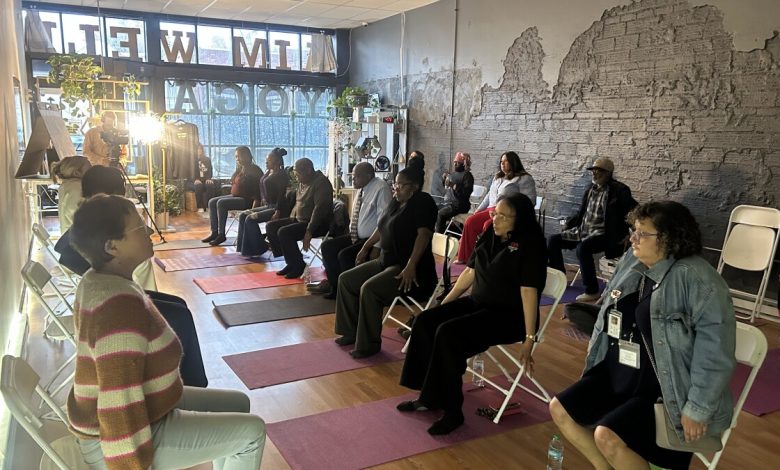
Some courtrooms focus only on punishment. A wellness court takes a different road. It asks a simple question: what caused the behavior in the first place? In Kansas City Specialty Courts, that question matters a lot. These courts work with people facing mental health issues, substance use struggles, or repeat legal trouble tied to deeper personal problems. The goal is not to excuse crime. The goal is to stop the cycle from happening again. That shift changes lives. A person may walk into court carrying years of addiction, trauma, or untreated illness. Jail alone rarely fixes those things. A wellness court tries to deal with the root cause while still holding people accountable. It’s strict, but it’s also practical. Honestly, many people see it as common sense. And in Kansas City, that approach keeps gaining support.
So, What Is a Wellness Court?
A wellness court is part of the larger system of problem-solving courts. These courts focus on recovery and long-term change instead of short-term punishment alone. Participants often enter the program through a judge’s approval. Once accepted, they follow a structured plan that may include:
- Drug or alcohol treatment
- Mental health counseling
- Regular court check-ins
- Random testing
- Job or school goals
- Community support meetings
The process takes commitment. Nobody gets a free pass. Judges monitor progress closely. Missed meetings or failed tests can lead to sanctions. Good progress can bring rewards, reduced penalties, or graduation from the program. It sounds simple on paper. Living through it is harder. Recovery usually is.
Why Kansas City Needed a Different Approach
Kansas City has seen the same issues many cities face — repeat arrests tied to addiction, unstable housing, mental illness, and poverty. Jail often became a revolving door. Someone gets arrested. They serve time. They leave without treatment. Then they come back months later. You know what? That pattern drains everyone. Families suffer. Courts get overloaded. Taxpayers pay more. Victims see little real change. That’s where Kansas City Specialty Courts stepped in. These programs aim to reduce repeat offenses by helping people rebuild stability. It’s less like putting a bandage on a wound and more like treating the infection underneath.
Accountability Still Matters
Some people hear “rehabilitation” and think the court goes easy on crime. That’s not how wellness courts work. Participants follow strict rules. They attend treatment sessions. They appear before judges often. Some programs require weekly updates at first. Progress gets tracked carefully. And setbacks happen. A participant may relapse or miss an appointment. The court responds quickly with added conditions or other consequences. That structure matters because recovery rarely moves in a straight line. Here’s the thing: accountability and support can exist together. In fact, they usually work better side by side.
The Human Side of the Courtroom
Traditional courts can feel cold. Fast hearings. Heavy tension. Little personal interaction. Wellness courts feel different. Judges often know participants by name. Treatment teams talk about progress in detail. Small wins matter — getting a job, staying sober for months, reconnecting with children. That human connection can be powerful. A participant might hear encouragement in court for the first time in years. It sounds small, but small moments can shift someone’s direction. Like finally getting traction on an icy Missouri road after spinning your tires for miles. And no, encouragement doesn’t erase responsibility. It simply gives people a reason to keep trying.
Community Support Makes a Huge Difference
Seldom does recovery occur on its own. Community organizations are crucial because of this. The goal of Kansas City’s specialty courts is supported by Beyond the Bench KC. The group advocates for community support and understanding of rehabilitation-focused justice initiatives. Their message is very clear: true justice should not only punish people but also assist them in changing. Many Kansas City families find resonance in that concept. The emotional burden of addiction or untreated mental illness frequently falls on parents, spouses, and kids as well. A single person’s recovery has a cascading effect on entire homes. A stable parent is able to go back to work. A child recognizes constancy once more. There is no longer any tension at a family meal. The significance of the changes surpasses that of conventional data.
Why Wellness Courts Often Save Money Too
This part surprises some people. Treatment programs and court supervision cost money upfront. Yet repeat incarceration costs far more over time. Jail housing, emergency care, police response, and repeated hearings add up quickly. When participants complete wellness court programs successfully, many avoid future arrests. That lowers costs for the justice system and reduces pressure on local services. So yes, there’s a compassionate side to these courts. There’s also a practical side. Kansas City leaders understand both.
Recovery Is Messy — And That’s Reality
People love neat success stories. Real recovery usually isn’t neat. Some participants struggle before succeeding. Others leave the program and return later. A few fail completely. Still, many people do rebuild their lives through these courts. They regain custody of children. They find steady work. They stay sober long enough to repair broken trust. That’s not a movie script. That’s daily work. And honestly, progress deserves attention even when it comes in small steps.
A Court System That Looks Forward
Wellness courts reflect a broader shift happening across the country. Communities are starting to recognize that punishment alone cannot solve every public safety issue. Kansas City continues to support programs that combine supervision, treatment, and accountability. Through Kansas City Specialty Courts and support from groups like Beyond the Bench KC, more people now have a real chance to change direction. Not every case ends perfectly. No court can promise that. Still, giving people tools to recover often protects the community better than punishment alone ever could. And maybe that’s the point.
FAQs
- What does a wellness court do?
A wellness court helps people address issues tied to criminal behavior, such as addiction or mental illness. The court combines treatment, supervision, and regular progress reviews.
- Who qualifies for Kansas City Specialty Courts?
Eligibility depends on the case, criminal history, and personal needs. Judges and court teams review each situation carefully before approving participation.
- Are wellness courts only for drug offenses?
No. Some programs also help people dealing with mental health conditions, repeat offenses, or veterans’ issues connected to legal trouble.
- What happens if someone fails the program?
Participants may face sanctions, extra requirements, or removal from the program. Each case depends on the person’s actions and progress.
- How does Beyond the Bench KC support rehabilitation?
Beyond the Bench KC raises awareness and community support for specialty courts in Kansas City. The group promotes long-term recovery and safer communities through rehabilitation-focused justice efforts.