
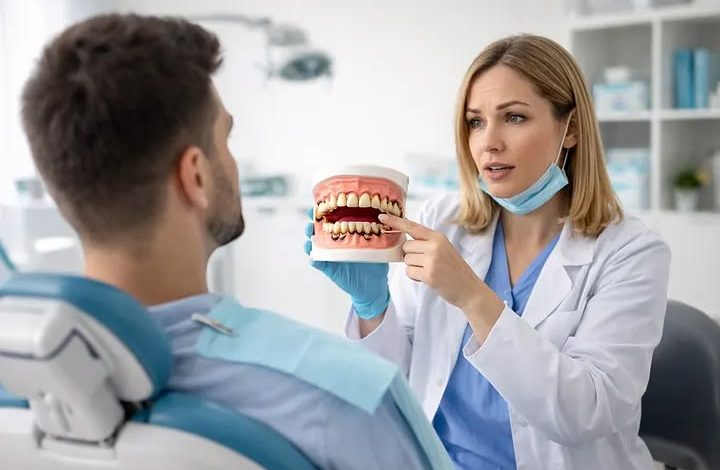
You sit down in the dental chair, the bright light comes on and your dentist starts looking around your mouth while calling out numbers and terms you may not recognise. If you’ve ever wondered what they’re actually checking, you’re certainly not alone.
A routine dental appointment involves more than searching for obvious cavities. Whether you’re visiting your usual family practice or a Sydney Park dentist while living locally, the purpose is generally to assess your teeth, gums and overall oral health, identify potential problems and decide whether anything needs further attention.
Exactly what happens can vary according to your age, dental history and individual needs. Still, most routine check-ups follow a fairly straightforward process.
It Usually Starts With a Conversation
Before examining your teeth, your dentist may ask whether anything has changed since your previous appointment.
This is the time to mention problems such as:
- Toothache or sensitivity
- Bleeding gums
- Pain when chewing
- Jaw discomfort
- A chipped or damaged tooth
- Changes inside your mouth
- Concerns about an existing filling, crown or other dental work
You may also be asked about your general health, medications or relevant lifestyle factors. That’s because some medical conditions and medications can affect your mouth, while oral symptoms can sometimes be connected to wider health issues.
Don’t assume something is too minor to mention. If you’ve noticed a change, tell your dentist.
Your Teeth Are Checked One by One
Next comes the part most people recognise.
Using a small mirror and dental instruments, the dentist examines your teeth individually. They’re looking for much more than dramatic holes in teeth.
They may check for signs of decay, cracks, worn areas or damaged restorations. Existing fillings, crowns, bridges and other dental work can also be examined to make sure they appear to be functioning as expected.
The dentist may call out numbers, letters or dental terminology to an assistant during this process. Much of this simply helps create or update an accurate record of what they’re seeing.
Your Gums Matter Just as Much
Healthy teeth need healthy supporting tissues.
Your dentist may examine your gums for signs of inflammation, bleeding, recession or other changes. Depending on your circumstances, they may also measure the spaces around certain teeth using a small dental probe.
Gum problems can sometimes develop without causing significant pain, which is one reason routine assessment can be useful.
If your gums regularly bleed when you brush or floss, don’t simply assume that’s normal. Mention it during your appointment so the cause can be assessed.
The Dentist Looks Beyond Your Teeth
A dental check-up isn’t limited to the hard white parts of your smile.
The dentist may also examine areas such as your tongue, cheeks, lips, palate and other tissues inside your mouth. They can look for unusual sores, lumps, colour changes or other abnormalities that may need monitoring or further investigation.
Your bite and jaw may also be assessed, particularly if you’ve reported symptoms such as jaw pain, headaches, tooth grinding or difficulty opening and closing your mouth.
This broader examination is an important reminder that oral health involves considerably more than cavities.
You May Need Dental X-Rays
Not every routine appointment requires X-rays.
Whether they’re recommended depends on factors such as your dental history, age, symptoms and risk of particular problems. Your dentist should determine when they’re clinically appropriate rather than taking them automatically without reason.
X-rays can provide information about areas that can’t be fully assessed through a visual examination alone, including parts of teeth below the gumline and spaces between teeth.
If X-rays are recommended and you’re unsure why, ask. Your dentist can explain what they’re looking for and why the images may be useful.
What About the Clean?
Many people think of a “check-up and clean” as one procedure, but the examination and professional cleaning serve different purposes.
During a clean, plaque and hardened deposits that can’t be removed easily through normal brushing may be removed from the teeth. Your teeth may also be polished.
How often professional cleaning is appropriate varies between individuals. Someone who develops deposits quickly or has particular gum-health needs may require a different schedule from someone with relatively low risk.
A professional clean also doesn’t replace home care. Brushing and cleaning between your teeth remain the everyday foundation of oral hygiene.
You’ll Discuss What Happens Next
Once the examination is complete, your dentist should explain what they found.
Sometimes the best possible outcome is very little: everything looks healthy, keep doing what you’re doing and return when recommended.
If something needs attention, you should be told what the issue is and what options are available. Depending on the findings, that could involve monitoring an area, changing your home-care routine or arranging further treatment.
Don’t be afraid to ask questions. You should understand why treatment is being recommended rather than simply knowing its name.
A Check-Up Is Also Your Chance to Ask Questions
A routine dental appointment isn’t something you have to experience passively.
If you’re struggling with sensitivity, unsure whether you’re brushing correctly or wondering about a change you’ve noticed, bring it up. Even seemingly simple questions can lead to useful advice tailored to your situation.
Regular check-ups are partly about identifying problems, but they’re also an opportunity to understand your own oral health better.
Knowing what happens during the appointment can make the whole experience feel considerably less mysterious — including those numbers being called out while you’re wondering what on earth everyone is talking about.


