
Urinary incontinence is the involuntary leakage of urine, affecting both men and women at various stages of life. In Singapore, it is estimated that a significant number of adults experience this condition, yet many hesitate to seek help due to embarrassment or misunderstanding.
Beyond the physical inconvenience, urinary incontinence can impact daily activities, work, social interactions, and overall confidence, sometimes even leading to stress or anxiety. If you are experiencing symptoms, understanding your options is the first step toward relief.
This article explores the different treatment options for urinary incontinence Singapore, from simple lifestyle changes and pelvic floor exercises to medications, minimally invasive procedures, and surgical solutions. For more details on managing this condition, you can read here https://drngkailyn.com/conditions/urinary-incontinence/.
Causes and Types of Urinary Incontinence
Urinary incontinence in Singapore can manifest in several forms, each with distinct causes and symptoms. Understanding the type of incontinence is essential for choosing the right treatment. The main categories include:
- Stress Incontinence: Leakage occurs during physical activities that increase abdominal pressure, such as coughing, sneezing, laughing, or exercising. This is often linked to weakened pelvic floor muscles, pregnancy, childbirth, or hormonal changes during menopause.
- Urge Incontinence: Characterized by a sudden, intense urge to urinate followed by involuntary leakage. It may result from overactive bladder muscles, urinary tract infections, neurological conditions, or bladder irritation.
- Mixed Incontinence: A combination of stress and urge incontinence symptoms, which is common in older adults or women who have had multiple pregnancies.
- Overflow Incontinence: Occurs when the bladder cannot empty completely, leading to dribbling or frequent leakage. Causes include bladder obstruction, nerve damage, or chronic constipation.
Other contributing factors in Singapore include lifestyle habits such as excessive caffeine consumption, obesity, and chronic conditions like diabetes or prostate issues in men. Proper diagnosis by a gynaecologist or urologist is crucial to determine the underlying cause and develop an effective treatment plan tailored to each individual’s needs.
Lifestyle Modifications and Bladder Training
Managing urinary incontinence Singapore often begins with simple lifestyle adjustments and bladder training techniques. These non-invasive approaches can significantly reduce symptoms and improve daily comfort, especially for mild to moderate cases.
Key lifestyle modifications include:
- Fluid Management: Monitoring intake to avoid excessive drinking while ensuring adequate hydration. Limiting caffeinated and carbonated drinks may reduce bladder irritation.
- Dietary Adjustments: Reducing spicy foods, artificial sweeteners, and alcohol, which can trigger urgency and leakage.
- Weight Management: Maintaining a healthy weight decreases pressure on the bladder and pelvic floor muscles, particularly in women postpartum or post-menopause.
- Scheduled Bathroom Visits: Using a timed voiding schedule, e.g., every 2–3 hours, can train the bladder to hold urine longer and prevent accidents.
- Avoiding Straining: Managing constipation through high-fiber diets or mild laxatives prevents added pressure on the bladder.
Bladder training exercises are another effective strategy: gradually delaying urination when the urge arises can improve bladder capacity and control. Consistency over several weeks is key to seeing results.
Pelvic Floor Exercises (Kegel Exercises)
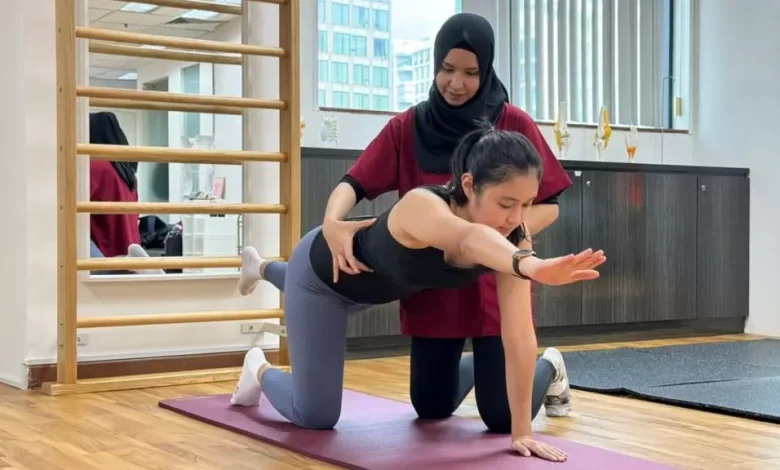
Pelvic floor exercises, commonly known as Kegel exercises, are one of the most effective non-surgical treatments for urinary incontinence in Singapore. These exercises target the muscles that support the bladder, uterus, and urethra, helping to improve bladder control and reduce leakage. Strengthening the pelvic floor is particularly beneficial for women after childbirth, during menopause, or for those who have experienced prolonged pelvic strain.
To perform Kegel exercises correctly, it is important to first identify the pelvic floor muscles, which can be felt by stopping urination midstream. Once identified, the muscles are contracted, held for a few seconds, and then relaxed. Pelvic floor exercises can be combined with lifestyle modifications and bladder training to form a comprehensive, non-invasive approach to managing urinary incontinence.
Medications for Urinary Incontinence
When lifestyle changes and pelvic floor exercises are not enough, medications can help manage urinary incontinence in Singapore. They are often prescribed based on the type of incontinence and its underlying cause. Common options include:
- Anticholinergics: Reduce overactive bladder muscle contractions, helping control urge incontinence.
- Beta-3 Agonists: Relax bladder muscles to increase storage capacity and reduce urgency episodes.
- Topical Estrogen: For postmenopausal women, helps strengthen urethral and vaginal tissues to improve bladder control.
- Alpha-Blockers (for men): Relax bladder neck muscles, useful in overflow incontinence due to prostate enlargement.
Medication is usually combined with other treatments, such as pelvic floor exercises or bladder training, to maximize results.
Minimally Invasive Procedures
For patients whose urinary incontinence in Singapore does not improve with lifestyle changes, bladder training, or medications, minimally invasive procedures provide effective relief with limited downtime. Common options include:
- Urethral Inserts: Small, removable devices placed in the urethra to prevent accidental leakage, typically used during the day.
- Bulking Agents: Gel-like substances injected around the urethra to help it close more effectively and improve bladder control.
- Botox Injections: Administered into the bladder muscle to relax overactive muscles, reducing urgency and involuntary leakage, particularly for urge incontinence.
These procedures are generally outpatient treatments with quick recovery. They offer a practical, non-surgical solution for individuals seeking improved bladder control while maintaining their daily routines.
Surgical Treatments for Severe Cases
For severe or persistent urinary incontinence in Singapore, surgical interventions may be necessary when conservative and minimally invasive treatments are insufficient. Common surgical options include:
- Sling Procedures: A supportive sling is placed under the urethra to lift and stabilize it, preventing leakage during physical activity.
- Artificial Urinary Sphincters: A device implanted to control urine flow, typically used in men with severe incontinence, often after prostate surgery.
- Bladder Neck Suspension: Surgical lifting and securing of the bladder neck to restore proper bladder support.
- Reconstructive Surgeries: Procedures to repair structural defects contributing to incontinence.
Surgical treatments generally offer long-term results, though recovery times and suitability vary based on age, health, and incontinence type.
Conclusion
Urinary incontinence in Singapore is a common condition, but it is highly treatable with the right approach. From simple lifestyle changes and bladder training to pelvic floor exercises, medications, minimally invasive procedures, and surgical options, there is a solution for every level of severity.
Early consultation can help identify the most effective treatment and prevent complications, improving daily comfort and confidence. If you are experiencing symptoms, don’t wait to seek support! Schedule a consultation with our gynaecologist at:
Aster Gynaecology – Dr Ng Kai Lyn 黄楷伶 | Female Gynaecologist | Women’s Health Specialist | Laparoscopy Specialist Singapore
38 Irrawaddy Rd, #06-58 Mt Elizabeth Novena Specialist Centre, Singapore 329563
Phone: (65) 6635 2100


