
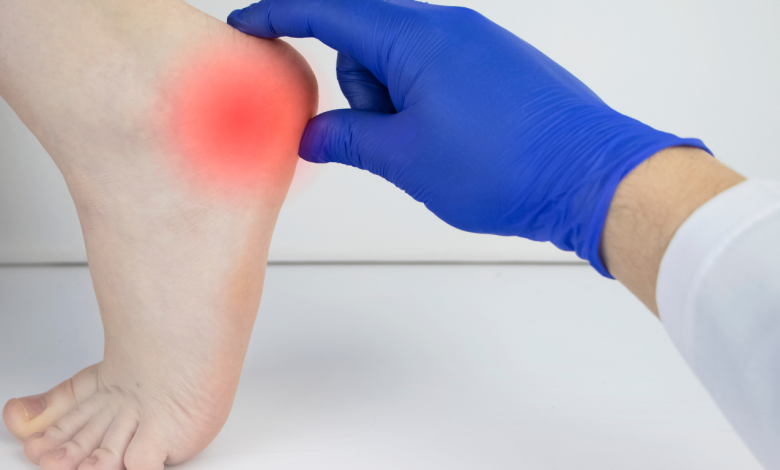
Do you wake up in the morning to a sharp, stabbing pain in your heel, or feel discomfort after long walks or standing for hours? Heel pain is a common yet often overlooked foot problem that can interfere with your daily activities, exercise routines, and even work. While some people try to manage it at home, persistent or worsening pain can lead to more serious complications if left untreated.
If you’re struggling with persistent heel pain, visiting a foot clinic Singapore can help identify the cause and provide effective treatment. Consulting a trusted foot clinic in Singapore ensures a thorough assessment, personalized care, and treatment options tailored to your specific needs, helping you regain comfort and mobility.
Understanding Heel Pain
Heel pain is a common condition that affects people of all ages and can significantly impact mobility and daily comfort. It usually occurs at the bottom or back of the heel and may range from a dull ache to a sharp, stabbing sensation, particularly during the first steps in the morning or after prolonged activity. One of the most frequent causes is plantar fasciitis, an inflammation of the thick band of tissue running along the bottom of the foot.
Other causes include heel spurs, which are bony growths that develop over time, and Achilles tendinitis, resulting from overuse or injury to the Achilles tendon. Heel pain can also be aggravated by factors such as obesity, improper footwear, or repetitive high-impact activities. Understanding the root cause is essential for effective management, which is why consulting a foot clinic Singapore can help identify the source and determine the best treatment approach.
Common Causes and Risk Factors
Heel pain can develop for a variety of reasons, and identifying the underlying cause is crucial for effective treatment. Some of the most common causes and risk factors include:
- Plantar Fasciitis: Inflammation of the thick band of tissue connecting the heel to the toes, often causing sharp pain in the morning.
- Heel Spurs: Bony growths on the heel bone that can develop over time and contribute to discomfort.
- Achilles Tendinitis: Overuse or injury to the Achilles tendon at the back of the heel.
- Obesity: Excess weight places additional pressure on the heel and foot arches.
- Improper Footwear: Shoes lacking adequate cushioning or arch support can exacerbate heel pain.
- Age-Related Wear and Tear: Ligaments and tendons naturally weaken with age, increasing susceptibility to injury.
- High-Impact Activities: Running, jumping, or prolonged standing can strain the heel and surrounding tissues.
Recognizing these factors early allows a foot clinic Singapore to provide targeted treatment, including footwear recommendations, orthotics, and exercises tailored to your needs.
Signs and Symptoms of Heel Pain
Heel pain can manifest in different ways depending on its cause. Recognizing the warning signs early can help you seek timely treatment and prevent further complications. Common signs and symptoms include:
- Sharp or Stabbing Pain: Often felt in the heel’s bottom or back, especially during the first steps in the morning.
- Swelling or Redness: Inflammation around the heel area may indicate tissue irritation or injury.
- Tenderness: Pain when pressing on the heel or arch.
- Stiffness: Difficulty moving the foot or walking comfortably after rest.
- Pain After Activity: Heel discomfort may worsen after running, jumping, or prolonged standing.
- Changes in Walking Pattern: Overcompensation or limping to avoid pressure on the heel.
If these symptoms persist or worsen, visiting a foot doctor is recommended. A professional assessment at a foot clinic in Singapore can help identify the cause of your heel pain and guide appropriate treatment options.
Non-Surgical Treatment Options
Many cases of heel pain can be effectively managed without surgery, especially when addressed early. Common non-surgical approaches include:
- Custom Orthotics: Insoles designed to redistribute pressure and improve foot alignment.
- Stretching Exercises: Stretching the calves, Achilles tendon, and plantar fascia can relieve tension and improve flexibility.
- Strengthening Exercises: Exercises such as toe curls or arch lifts help build foot muscle support.
- Ice Therapy: Applying ice to the heel for 15–20 minutes can reduce inflammation and pain.
- Activity Modification: Reducing high-impact activities or alternating with low-impact exercises to allow healing.
- Pain Relief Medication: Over-the-counter anti-inflammatory medications can help ease discomfort temporarily.
These strategies often provide significant relief and can prevent the condition from worsening when consistently applied.
The Importance of Proper Footwear
Proper footwear plays a foundational role in non-surgical treatments. Shoes that fit well, provide cushioning, and support your arches not only enhance the effectiveness of orthotics and exercises but also prevent further strain on the heel. Since foot shapes and sizes vary greatly between individuals, selecting the right footwear is crucial for comfort and injury prevention.
In a foot clinic in Singapore, a podiatrist will assess your foot structure, gait, and any existing conditions to provide personalized shoe recommendations and, if needed, customize orthotic inserts to improve fit and support. By combining these non-surgical treatments with the right footwear, you can significantly reduce heel pain, protect your feet, and improve overall mobility.
When to Seek a Foot Specialist
While many cases of heel pain improve with home care, persistent or worsening symptoms should be evaluated by a professional. You should seek help if you experience:
- Pain that continues despite rest or conservative treatment
- Swelling, redness, or tenderness that worsens over time
- Difficulty walking or performing daily activities
- Pain that interferes with exercise or work routines
Summary
Heel pain doesn’t have to limit your daily life. With the right combination of exercises, orthotics, and well-fitted footwear, most people can reduce discomfort and protect their feet from further issues. Taking care of your heels today helps prevent more serious problems tomorrow and keeps you moving comfortably.
Take the first step toward healthier feet! Book a consultation at our clinic to have your heel pain assessed and receive personalized recommendations for long-term comfort and support. Details below:
Atlas Podiatry | Trusted Foot Specialist in Singapore | Ingrown Toenail | Warts
244M Upper Thomson Road, Thomson Garden Estate, Singapore 574369
Phone: +65 8228 7330


