FastGas vs Traditional Cream Chargers: A Simple Educational Comparison for Better Understanding

Introduction: Understanding Cream Charging Systems
Cream chargers are small pressurized cylinders used mainly in kitchens to whip cream quickly and efficiently. They are commonly used in desserts, beverages, and culinary presentations where texture and consistency matter. For students learning food technology or basic kitchen science, understanding how these tools work can be very useful.
Traditional cream chargers have been around for many years and are widely used in both home and professional kitchens. They typically come in small steel cartridges filled with nitrous oxide (N₂O), which helps create whipped cream when released into a dispenser. While effective, they also come with limitations in size, efficiency, and environmental impact.
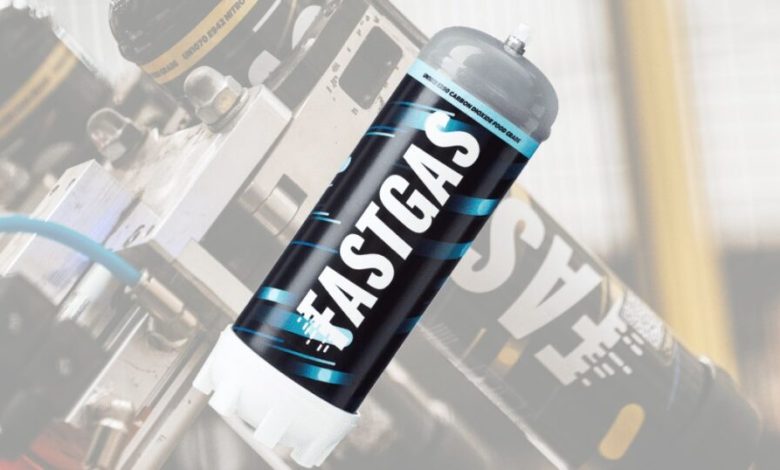
In modern food preparation, larger and more efficient systems have emerged, offering better convenience and reduced waste. One example of this innovation is FastGas, which represents a shift toward larger-capacity gas solutions designed for higher efficiency and smoother workflow in kitchens. Understanding these differences helps learners compare traditional tools with modern innovations in a practical way.
What Are Traditional Cream Chargers?
Traditional cream chargers are small, single-use steel capsules filled with nitrous oxide gas. They are designed to be inserted into a whipped cream dispenser, releasing gas that aerates liquid cream into foam.
Key characteristics include:
- Small capacity per charger (single-use design)
- Requires frequent replacement during heavy use
- Suitable for light or occasional use
- Widely available and affordable per unit
However, they also have some limitations. Because each charger holds a small amount of gas, users often need multiple cartridges for larger tasks. This can lead to more waste, higher long-term costs, and inconvenience in busy kitchen environments.
Modern Innovation in Gas Solutions
Modern alternatives were developed to improve efficiency, reduce waste, and simplify usage in professional kitchens. These systems focus on delivering larger volumes of gas in a more controlled and economical way.
The idea behind modern solutions is simple: instead of using many small chargers, a single larger supply can do the same job more efficiently. This reduces interruptions during preparation and improves consistency in results.
Such systems are especially useful in environments where speed and volume matter, such as cafés, bakeries, and catering services. They are designed to support continuous workflow without the need for constant cartridge replacement.
FastGas and Its Role in Modern Kitchen Use
In the middle of modern alternatives, FastGas stands out as a large-capacity solution designed to replace the need for multiple traditional cream chargers. It is commonly used in professional food preparation where efficiency and consistency are important.
Instead of relying on many small cylinders, users can access a larger gas supply, which helps streamline kitchen operations. This makes it easier to maintain productivity, especially in high-demand settings such as dessert production or beverage service.
From an educational perspective, FastGas represents how technology evolves to solve everyday inefficiencies in traditional systems.
Comparison Between Traditional Cream Chargers and FastGas
To understand the differences clearly, it helps to compare both systems side by side.
| Feature | Traditional Cream Chargers | FastGas System |
| Size | Small single-use cartridges | Large-capacity gas system |
| Usage | Frequent replacement needed | Longer continuous use |
| Convenience | Requires multiple units | Fewer interruptions |
| Cost Efficiency | Higher long-term cost for bulk use | More efficient for high volume |
| Waste Production | More steel waste from cartridges | Reduced waste overall |
| Best Use Case | Home or light use | Commercial or heavy use |
From this comparison, it becomes clear that both systems serve different needs. Traditional chargers are suitable for simple or occasional tasks, while larger systems are designed for efficiency and scale.
Efficiency, Performance, and Environmental Impact
One of the most important differences between these systems is efficiency. Traditional chargers require repeated replacement, which can slow down workflow. In contrast, larger systems reduce downtime and allow continuous operation.
Performance consistency is another factor. Smaller chargers may produce slight variations in pressure depending on usage, while larger systems are designed to maintain steadier output during extended use.
Environmental impact is also an important topic in modern education. Traditional chargers generate more waste because they are single-use. Even though they are recyclable in some regions, the volume of discarded cartridges can still be significant. Larger systems help reduce this issue by minimizing packaging and material waste.
Key points to remember:
- Larger systems improve workflow efficiency
- Traditional chargers create more frequent waste
- Both systems use the same basic gas principle but differ in scale
When to Use Each System
Choosing between traditional cream chargers and modern systems depends on usage needs.
Traditional chargers are best when:
- Preparing small amounts of whipped cream
- Working in home kitchens
- Learning basic culinary techniques
Modern systems like FastGas are better when:
- Handling large-scale food production
- Working in cafés or restaurants
- Reducing downtime and increasing efficiency is important
Understanding these use cases helps learners and professionals choose the right tool for the right situation.
In summary, both traditional cream chargers and modern large-capacity systems serve the same core purpose but differ significantly in scale, efficiency, and environmental impact. Learning these differences provides a clearer understanding of how kitchen technology continues to evolve.