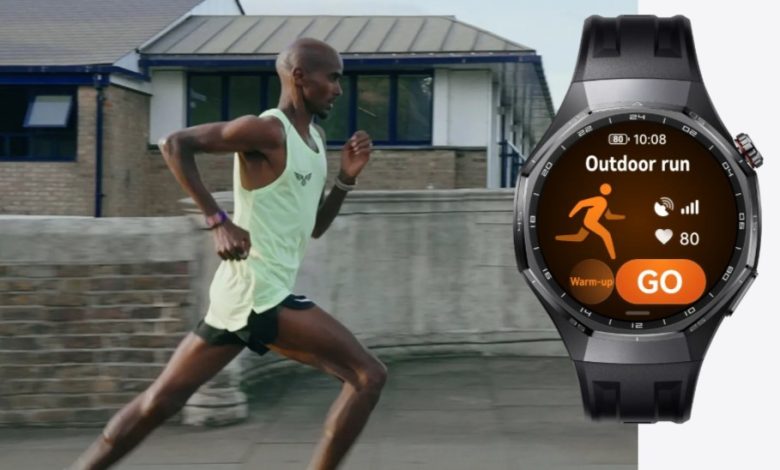
Long-distance runners use smartwatches to track more than just their speed and distance. Heart-rate tracking aids in measuring effort, avoiding overtraining, and increasing endurance. A watch that monitors your heart rate in real time can help you with pace, fuel selection, and recovery methods. This data can help you prepare and race more effectively for marathons, half-marathons, and extended training blocks. However, in order to reap the maximum benefits, your wristwatch must be properly configured and used. This lesson explains how to set up your gadget, interpret heart-rate data while running, and apply what you learn to future workouts. With the appropriate plan, you can run longer, recover faster, and maintain control.
How to Prepare Your Smartwatch for Long Runs
Set Up Basic Heart-Rate Zones
Begin by inputting your age, weight, and fitness level into your smartwatch’s health app. This enables it to determine your heart rate zone. Most watches split your heart rate into five zones: easy, aerobic, tempo, threshold, and maximal. You can utilize the preset parameters or change them yourself based on test findings or race statistics. Each zone accommodates a distinct sort of exercise. Staying in zones 2 and 3 helps long-distance runners increase endurance and aerobic capacity. Once zones have been defined, activate zone-based notifications. This allows you to maintain your goal effort while avoiding spikes or burnout during extended sessions or increasing long-run efforts.
Adjust Watch Placement for Accurate Readings
Proper positioning increases heart rate accuracy. Position your watch on the inside of your forearm, about one finger width above the wrist bone. Tighten the strap so that the sensor remains in touch with your skin but does not disrupt circulation. To keep your skin warm during cold-weather runs, put the watch under a sleeve. Avoid slack bands and putting the sensor over tattoos or bony regions, since they diminish accuracy. Clean the sensor on a regular basis to eliminate any perspiration or grease. Consider using a chest strap to get even more reliable readings. Accurate heart-rate data starts with a stable installation, especially during long runs where movement and perspiration can degrade signal quality.
Enable Useful Running Alerts and Data Screens
Set your watch’s display to show real-time heart rate, current zone, pace, distance, and time. Most platforms provide data screen modification within the app or on the watch itself. Set heart-rate alarms to tell you if you go outside of your target zone during lengthy runs. This helps to moderate pace early in the run, when adrenaline might promote overspeeding. Use vibration or auditory signals to avoid constantly examining your screen. Some watches additionally have cadence and split notifications for further insight. Having the proper data displayed and the relevant alerts activated helps you stay focused, stable, and aligned with your long-term goals.
What Heart-Rate Data Means During Long-Distance Running
How Heart Rate Responds to Pace and Hills
As the speed increases, so does your heart rate in order to deliver oxygen to your muscles. Long-distance runners frequently train in a consistent zone, but variations in terrain can quickly alter heart rate response. Hills cause surges because of the increased effort, even if the speed slows. A wristwatch detects these shifts and allows you to adjust accordingly. Instead of pursuing a flat speed on an elevation, employ heart rate to maintain a steady effort. Over time, this trains you to pace more effectively. On downhills, the heart rate lowers, indicating recovery. Understanding this link enables more informed pacing decisions during training and races, particularly on hilly tracks where rhythm and effort frequently shift.
How to Read Effort Levels Throughout Your Run
Heart rate data serve as a live effort indicator. During the early miles, your heart rate should remain in zone 2, indicating aerobic efficiency. Even if the tempo remains constant, when weariness sets in, it may shift to zone 3 or 4. This is normal, but it indicates increased intensity. Use this shift to determine whether to slow down, take fuel, or abbreviate the workout. Monitoring your heart rate can also help you determine when your body is not feeling well—spikes may suggest dehydration or a lack of sleep. Unlike speed, which varies with terrain, heart rate measures how hard your body is working. It provides a more detailed picture of long-run intensity.
Signs Your Heart Rate Shows Stress or Fatigue
An increasing heart rate at an exceptionally slow rate may indicate weariness, dehydration, or inadequate recovery. If your heart rate rises during easy exercise, your body may be stressed. Watch for unpredictable oscillations or inability to decline during rest periods; both might indicate overtraining. Another danger indicator is a faster-than-normal increase in heart rate over the first few miles. These indicators indicate that you may require relaxation, additional fluids, or better nutrition. Pay attention to trends throughout numerous runs, not just one. Smartwatches with recovery scores or heart rate variability tracking can provide valuable information regarding preparedness. Use them as a reference for intensity adjustments.
How to Use Heart-Rate Tips to Improve Your Running
Plan Long-Run Pacing Using Heart-Rate Zones
Heart-rate zones can help you develop a regulated long-run plan. Begin in zone 2 to warm up and increase aerobic endurance. Stay in the same zone for most of your run, or touch zone 3 if you’re finishing with a tempo. Avoid zone 4 unless your lengthy run contains race-pace parts. Heart-rate-based pacing maintains effort even when terrain or weather changes. Some runners base each segment on time in a zone rather than distance. This method reduces burnout and promotes effective pacing. Over time, you’ll be able to run faster and at lower heart rates, indicating increased efficiency and endurance.
Use Heart Rate to Manage Hydration and Energy
An elevated heart rate might be an early indicator of dehydration or glycogen depletion. If you feel your heart rate rising even at a steady pace, make sure you’re hydrated and eating adequately. Use your smartwatch to track water and gel intake, or set notifications every 30-45 minutes. A steady heart rate throughout prolonged exertion usually indicates that your body is well-fueled. Tracking this over time allows for more refined fuelling tactics on race day. Learning to correlate heart rate patterns with energy and water requirements aids in avoiding the wall during longer activities. Your watch creates a feedback loop that not only tracks pace but also fuels success.
Review Post-Run Reports to Adjust Future Training
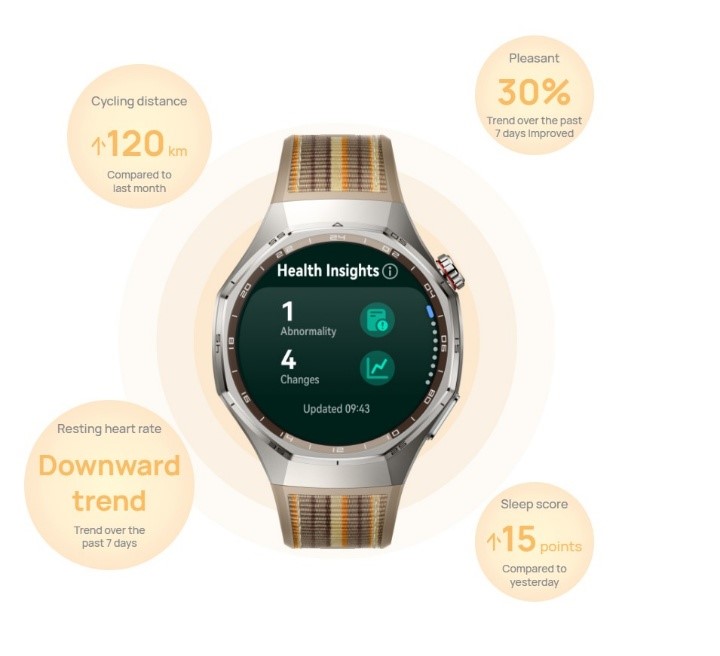
After each lengthy run, utilize your smartwatch’s app to see your average heart rate, duration in each zone, and trends across splits. Determine if you stayed inside goal zones or shifted to higher ones owing to tiredness or poor pacing. Compare heart rate and pace to identify efficiency improvements. Use these insights to improve future workouts, such as increasing the intensity of your long runs, timing your nutrition intake, or scheduling recuperation days. Some platforms include training impact ratings or recovery time predictions; don’t disregard them. Post-run analysis provides context for how the run felt. It transforms subjective effort into data-driven reflection, allowing you to exercise more effectively week after week.
Conclusion
Heart-rate monitoring transforms long-distance running from guessing to intelligent, data-driven training. A properly configured wristwatch provides real-time input to direct effort, track recovery, and enhance pace. Set zones, alter alarms, and read symptoms of weariness to minimize burnout and maintain consistency. Heart-rate data may also assist in fine-tuning hydration and food plans, making each mile more efficient. Reviewing post-run data completes the circle, making each session a learning opportunity. For runners exploring different types of endurance events, questions like whats cross country running often come up when comparing terrain and intensity. Whether you’re training for your first half or chasing a marathon PR, heart-rate metrics help you stay in control, avoid overtraining, and build endurance the smart way—step by step, beat by beat.