
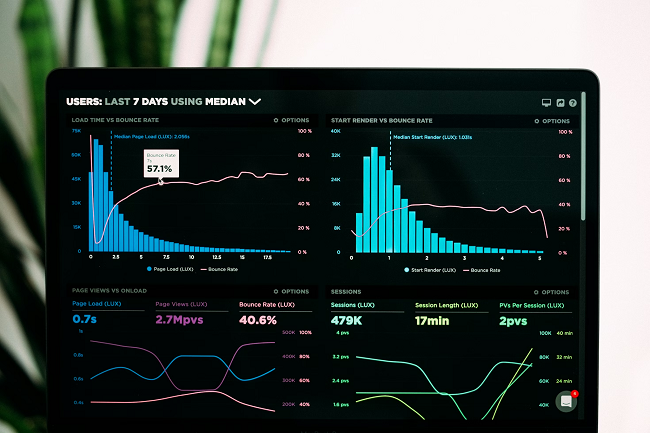
Sports preparation no longer depends only on drills and scouting reports. Advanced data analytics reshape planning, recovery, and tactical decision-making. Clubs that adopt data-driven workflows gain clearer insight into opponents, optimize training load, and refine match plans with measurable confidence. The result is a preparation process that looks more like scientific inquiry and less like guesswork.
A clear example appears in clubs across Europe where analytics dashboards sit alongside whiteboards. At a mid-tier club such as sankra, performance analysts merge wearable telemetry with video tagging to create match packages for the coaching staff. Those packages compress hours of footage into a handful of targeted insights, allowing the squad to focus on adjustments that matter most.
From raw numbers to actionable game plans
Analytics begins with data collection. GPS trackers, heart-rate monitors, event coding from video, and public databases produce an enormous stream of inputs. Data engineers clean and align these sources so performance analysts can spot patterns. Correlations surface – which pressing triggers lead to turnovers, which zones invite risk, and which player combinations sustain high expected goals (xG) values. Translating those correlations into clear instructions is the practical art of modern preparation.
Coaching staff benefit from scenario planning informed by probabilistic models. Instead of prescribing a single plan, multiple conditional strategies get prepared and rehearsed. If an opponent presses high in the first half, a short-possession setup gets used. If the rival defends compactly, wide overloads become the preferred tactic. This conditional approach reduces decision pressure during the match because the likely solutions have already been validated in training.
Data Tools That Coaches Use
- Event data platforms that tag passes, shots, duels, and positional heatmaps for every opponent.
- Wearable sensors and load monitors that quantify fatigue and recovery needs across the squad.
- Tactical simulators that test formation changes against probabilistic opponent behaviors.
These tools convert complexity into concise briefings for matchday preparation.
Training design and individualized readiness
Analytics also affects daily training design. Load management becomes precise: players receive customized microcycles that balance intensity with recovery. Biomechanics reports flag movement inefficiencies and reduce injury risk through targeted exercises. Mental readiness benefits from cognitive metrics – reaction time tests, decision-making drills, and simulated stress scenarios measure preparedness beyond physical markers.
Video review changes too. Instead of passive watching, players interact with clips tied to data triggers. A sequence tagged for high pressing shows the statistic alongside a visual frame where the pressing begins. Coaching prompts accompany each clip, focusing attention on cues that matter. This focused interaction accelerates learning and shortens the gap between insight and execution.
Opponent study and tactical edge
Opponent analysis has moved from generic scouting notes to granular patterns. Set-piece tendencies get modeled with expected probability outcomes and recommended marking schemes. Build-up sequences reveal preferred channels and moments of vulnerability. Data teams deliver short, prioritized lists of opponent habits that coaching staff use to build rehearsals and match scripts.
Preparation Practices That Improve Match Readiness
- Scenario rehearsals that practice two or three likely opponent setups in quick succession.
- Microlearning clips delivered via mobile before travel, keeping tactical memory fresh on the go.
- Recovery protocols aligned to match travel, employing sleep, nutrition, and compression strategies informed by recent load metrics.
These practices ensure the squad moves into the match with clarity and reduced risk.
Communication and decision governance
Data’s impact depends on communication. Analysts must translate numbers into narratives that coaching staff and players understand. Visual simplicity wins: a single slide with three tactical priorities often outperforms dense spreadsheets. Decision governance also matters: who has final say under pressure, and how are contingency plans signaled during the match? Clear protocols prevent analysis paralysis and make the analytics function a tool for faster decisions, not a bottleneck.
Ethical and practical limits
The turn toward analytics raises ethical and practical questions. Data privacy, consent for wearable monitoring, and the mental impact of constant measurement require policies. Overreliance on models can obscure intuition when models face rare situations. Successful programs blend evidence with experience, treating analytics as a guide rather than an absolute authority.
The competitive payoff
Teams that master analytics in preparation tend to minimize random variation on matchday. Tactical clarity improves, rotations become smarter, and injury windows narrow. The cumulative effect offers a real competitive payoff: better-prepared teams execute with confidence, adapt faster to game flow, and convert small advantages into decisive outcomes. As analytics tools become more accessible, preparation transforms from art into a reproducible craft, and big matches become contests between rigorously prepared operations rather than uncertain guesses.

