
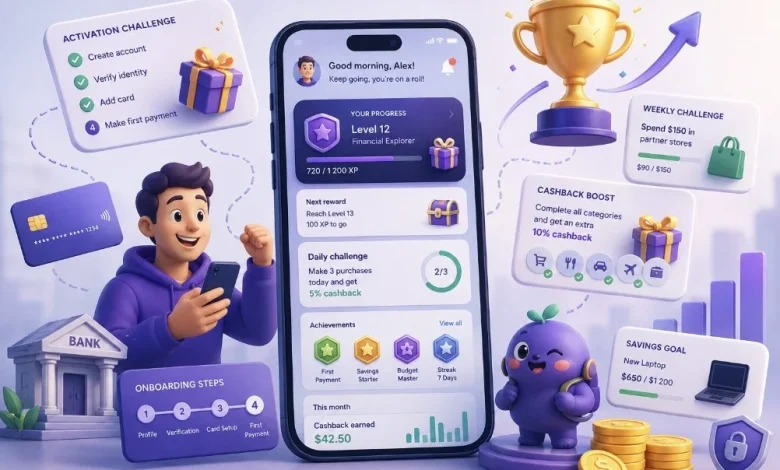
Introduction: The Blurring Line Between Content and Digital Services
The internet has evolved into a space where content, entertainment, and financial services increasingly overlap. What used to be separate categories—news, lifestyle blogs, and online platforms—are now interconnected ecosystems designed to keep users engaged across multiple digital experiences.
Websites like shabdroop.com often explore these shifts by covering topics related to digital trends, online behavior, and emerging technologies. As user expectations continue to evolve, platforms across industries are adapting to provide more seamless and engaging experiences.
This transformation is especially visible in finance and entertainment ecosystems such as space hills casino, where digital interaction, engagement systems, and structured online environments are becoming central to user experience design.
The Evolution of Online Digital Platforms
Modern digital platforms are no longer static websites. Instead, they are dynamic systems built to adapt to user behavior, preferences, and engagement patterns in real time.
This shift is driven by increased competition and rising user expectations for personalization and convenience.
Key characteristics of modern platforms include:
- Real-time user interaction systems
- Integrated financial and entertainment features
- Personalized dashboards and content feeds
- Mobile-first user experiences
- Automated recommendation engines
These features help platforms deliver smoother and more engaging user journeys.
Why Engagement Is the Core of Modern Digital Growth
User engagement has become one of the most important metrics in determining the success of any online platform. Whether it is a content website or a financial service, keeping users active and involved is essential.
In some digital ecosystems, users may encounter platforms like space hills casino while exploring modern online environments that combine entertainment mechanics with structured digital systems.
This reflects a broader shift toward platforms that are not only functional but also interactive and experience-driven.
The Convergence of Finance and Entertainment Online
One of the most significant trends in the digital world is the merging of financial systems with entertainment-based interfaces. This convergence creates platforms that are both functional and engaging, encouraging users to interact more frequently.
This blending is driven by:
- Increased demand for interactive digital experiences
- Growth of mobile-based services
- Integration of gamification elements
- Rise of digital payment ecosystems
- User preference for simplified interfaces
As a result, platforms are becoming more engaging while maintaining financial functionality.
Understanding User Behavior in Digital Ecosystems
User behavior plays a crucial role in shaping how platforms are designed. Developers rely heavily on data insights to understand how users interact with content and features.
Common behavioral insights include:
- Time spent on specific features
- Navigation flow patterns
- Interaction frequency
- Device usage trends
- User preference segmentation
These insights allow platforms to optimize their design and improve overall user satisfaction.
Comparing Traditional Platforms vs Modern Digital Ecosystems
| Feature | Traditional Platforms | Modern Digital Ecosystems |
| User Experience | Static and linear | Dynamic and adaptive |
| Engagement Model | Passive consumption | Active interaction |
| Personalization | Minimal | Highly advanced |
| Technology Use | Basic systems | AI-driven infrastructure |
| Accessibility | Limited devices | Multi-platform support |
This comparison highlights how significantly digital platforms have evolved in recent years.
The Role of Personalization in Modern Platforms
Personalization is now a standard expectation for most online users. Platforms that fail to offer tailored experiences often struggle to retain attention in competitive markets.
Modern personalization includes:
- Custom content recommendations
- Adaptive interface design
- Behavior-based notifications
- Personalized promotional systems
- Smart filtering and search tools
These features improve engagement by making platforms feel more relevant to each user.
How Technology Is Driving Digital Transformation
Technology is at the core of every modern digital platform. Innovations in cloud computing, artificial intelligence, and data analytics have made it possible to build scalable and responsive systems.
Key technologies shaping the industry include:
- Cloud-based infrastructure
- AI-powered recommendation systems
- Real-time analytics engines
- Secure digital payment systems
- Mobile optimization frameworks
These technologies ensure platforms remain efficient, secure, and user-friendly.
The Rise of Hybrid Entertainment and Finance Systems
A major development in the online world is the rise of hybrid systems that combine entertainment features with financial tools. These platforms are designed to increase user engagement while offering structured digital services.
Typical features include:
- Gamified user interfaces
- Reward-based interaction systems
- Interactive dashboards
- Event-based engagement models
- Simplified financial navigation tools
This hybrid approach creates a more engaging and immersive user experience.
Comparing Engagement Strategies Across Platforms
| Engagement Type | Traditional Systems | Modern Hybrid Platforms |
| Interaction Level | Low | High |
| User Motivation | Functional need | Experience-driven |
| Feedback Speed | Delayed | Real-time |
| Retention Strategy | Service quality | Engagement + rewards |
| Content Delivery | Static | Dynamic |
This shows why hybrid systems are becoming more popular in today’s digital landscape.
The Importance of Trust and Security Online
As platforms become more complex and interconnected, trust and security are more important than ever. Users expect transparency, reliability, and safety when interacting with digital services.
Key trust factors include:
- Clear and transparent policies
- Secure data protection systems
- Reliable platform performance
- Responsive customer support
- Consistent user experience
Without trust, even the most advanced platforms struggle to maintain long-term engagement.
The Future of Digital Platforms and Online Ecosystems
The future of digital platforms is expected to be even more integrated and intelligent. As artificial intelligence and automation continue to develop, platforms will become more adaptive to individual user needs.
Future developments may include:
- Fully AI-managed user experiences
- Cross-platform ecosystem integration
- Predictive personalization systems
- Unified digital identity frameworks
- Seamless financial and entertainment integration
This ongoing evolution suggests that digital platforms will continue moving toward more connected, efficient, and user-focused ecosystems.


