
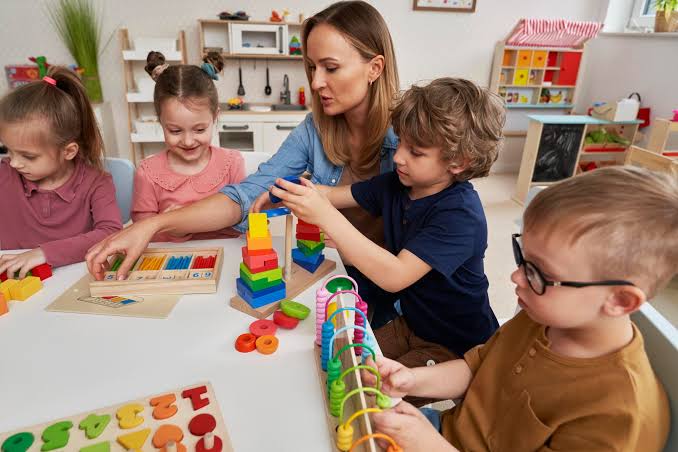
The early years of a child’s life are filled with remarkable growth. Every conversation, game, story, and new experience helps shape how children think, communicate, and interact with the world around them. While academic learning is important, the foundations built during early childhood reach far beyond letters and numbers.
Parents often spend time researching the best environments for their children, comparing programmes and approaches such as child care Strathfield to find settings that encourage learning through play, social interaction, and exploration. A supportive early learning environment can help children develop confidence while nurturing skills they’ll continue to use throughout their lives.
The greatest benefit of early learning isn’t simply preparing children for school. It’s giving them opportunities to solve problems, build relationships, and become curious learners who feel capable of trying new things, even when challenges arise.
Learning Through Play
Play is one of the most effective ways young children learn. Whether they’re building towers, pretending to run a café, or creating artwork, children are developing important cognitive and social skills without realising it.
Through play, they learn to:
- Solve simple problems
- Share and cooperate with others
- Express creativity
- Follow instructions
- Develop fine and gross motor skills
These everyday activities strengthen the building blocks for future learning while keeping children engaged and motivated.
Building Communication Skills
Strong communication begins long before children learn to read and write. Daily conversations with educators and peers help expand vocabulary, improve listening skills, and encourage children to express their thoughts with confidence.
Storytelling, singing, group discussions, and imaginative play all contribute to language development. As children become better communicators, they also become more comfortable asking questions, sharing ideas, and forming meaningful friendships.
Developing Emotional Confidence
Early learning environments provide children with opportunities to experience new situations in a safe and supportive setting. They learn how to manage emotions, cope with frustration, and celebrate achievements, both their own and those of others.
Simple experiences, such as taking turns, working together on activities, or resolving small disagreements, teach emotional resilience. These skills become increasingly valuable as children grow and face more complex social situations.
Encouraging Independence
One of the biggest milestones in early childhood is learning to do things independently. Everyday routines help children gain confidence while developing practical life skills.
These may include:
- Packing away toys
- Washing hands independently
- Choosing activities
- Following simple routines
- Making age-appropriate decisions
As children practise these tasks, they begin to trust their own abilities and develop a sense of responsibility.
Creating a Love of Learning
Children are naturally curious. Quality early learning programmes encourage that curiosity by providing opportunities to explore, experiment, and ask questions.
Rather than focusing solely on correct answers, effective educators encourage children to discover how things work through hands-on experiences. This approach helps children see learning as something enjoyable rather than something to fear.
A child who enjoys learning is more likely to stay engaged throughout their education and approach new experiences with confidence.
The Importance of Social Connections
Learning alongside other children teaches lessons that can’t always be replicated at home. Group activities encourage cooperation, empathy, patience, and respect for different perspectives.
Children learn how to:
- Build friendships
- Work as part of a team
- Resolve minor conflicts respectfully
- Understand routines and shared expectations
These social experiences lay the foundation for positive relationships throughout school, work, and adult life.
Every child develops at their own pace, but positive early learning experiences can have a lasting impact on their confidence, communication, and ability to adapt to new challenges. By providing opportunities to explore, play, and connect with others, parents and educators help children build skills that extend well beyond the classroom. The lessons learned during these formative years continue to shape how children approach learning, relationships, and everyday life for many years to come.


