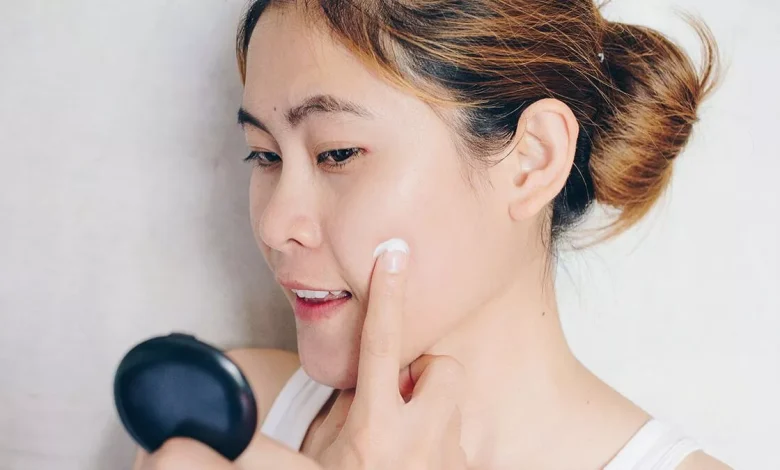
Pigmentation refers to the darkening or discolouration of the skin caused by excess melanin production, and it is a common concern in Singapore due to factors such as intense sun exposure, high UV levels, and a humid climate that can exacerbate skin sensitivity. Many individuals notice uneven skin tone, dark spots, or patches that can affect overall complexion and confidence. However, not all pigmentation is the same, different types have different underlying causes, which means they require tailored treatment approaches for effective results.
If you are exploring options for pigmentation removal Singapore, it is important to first understand the specific type of pigmentation you are dealing with. In this article, we will explore five of the most common types of pigmentation seen locally and the treatment options available, helping you better understand which solutions may be suitable for your skin.
Sunspots (Solar Lentigines)
Sunspots, also known as solar lentigines, are one of the most common forms of pigmentation seen in Singapore. They appear as flat, well-defined brown spots on areas frequently exposed to the sun, such as the cheeks, forehead, nose, and hands. Prolonged ultraviolet (UV) exposure stimulates melanin production in the skin, leading to these visible spots over time. Individuals who spend more time outdoors or have a history of sun exposure are more prone to developing sunspots, especially as the skin ages.
In terms of treatment, sunspots generally respond well to a range of aesthetic options. Laser treatments are commonly used to target and break down excess melanin, allowing the body to gradually clear the pigment. Chemical peels can also help by exfoliating the outer layers of the skin, promoting a more even skin tone. In addition, topical lightening agents may be prescribed to reduce pigmentation over time. Regardless of the treatment chosen, consistent sun protection is essential to prevent recurrence and maintain results.
Melasma
Melasma is a common but often more stubborn form of pigmentation that typically appears as patchy, symmetrical brown or grey-brown discolouration on the cheeks, forehead, upper lip, or jawline. It is more frequently seen in women and is often triggered by hormonal changes, such as pregnancy, use of oral contraceptives, or even thyroid-related factors. In Singapore’s sunny climate, ultraviolet (UV) exposure can further worsen melasma, making it more persistent and prone to recurrence.
Because melasma is influenced by both internal and external factors, it usually requires a long-term and carefully managed treatment approach. Topical medical-grade creams that help regulate melanin production are often used as a first-line option. In some cases, oral medications may be considered to help control pigmentation activity. Energy-based treatments such as gentle laser or light-based therapies can also be used, but they must be carefully selected to avoid aggravating the condition. Managing melasma effectively often involves ongoing maintenance and strict sun protection to prevent flare-ups.
Post-Inflammatory Hyperpigmentation (PIH)
Post-inflammatory hyperpigmentation (PIH) refers to dark spots or patches that develop after the skin has experienced inflammation or injury. This is commonly seen after acne breakouts, eczema flare-ups, insect bites, or even minor skin trauma such as scratches or picking at blemishes. In Singapore, PIH is particularly prevalent due to the higher incidence of acne-prone and sensitive skin types, and it can appear more noticeable in medium to deeper skin tones.
PIH does not involve an increase in skin thickness or scarring, but rather an overproduction of melanin in response to inflammation. While some cases may fade gradually over time, others can persist for months or even longer without treatment. Management typically includes topical agents such as retinoids and brightening ingredients to accelerate skin renewal. Chemical peels may also help improve skin tone and texture, while laser treatments can be considered for more persistent pigmentation.
Freckles (Ephelides)
Freckles, medically known as ephelides, are small, flat light-brown spots that commonly appear on sun-exposed areas such as the face, shoulders, and arms. They are largely genetic in origin and are more frequently seen in individuals with fair or sensitive skin. In Singapore, freckles may become more noticeable or darker with increased sun exposure due to the strong UV environment, even though they may fade during periods of reduced sun exposure.
While freckles are harmless and do not indicate any underlying skin condition, some individuals seek treatment for cosmetic reasons, particularly when they become more prominent. Treatment options for freckle reduction include laser therapies that target melanin clusters to lighten pigmentation effectively. Light chemical peels and skin-brightening topical agents may also help improve overall skin tone. However, it is important to note that freckles can recur if sun protection is not strictly maintained, making daily sunscreen use a key part of long-term management.
Hori’s Nevus (Dermal Pigmentation)
Hori’s nevus is a type of deeper dermal pigmentation that appears as symmetrical, bluish-grey or brownish patches, most commonly on the cheekbones and sometimes the forehead. It is seen predominantly in Asian skin types and tends to develop in adulthood. Unlike superficial pigmentation such as freckles or sunspots, Hori’s nevus is located deeper within the dermis, which makes it more resistant to topical treatments and more challenging to manage.
Because of its deeper nature, treatment usually requires energy-based devices that can target pigment within the dermal layer. Laser treatments, particularly those designed for deeper pigmentation, are commonly used and often require multiple sessions to achieve gradual improvement. Results are typically progressive rather than immediate, and maintenance sessions may be needed depending on individual skin response. As with other pigmentation conditions, strict sun protection is essential to support treatment outcomes and minimise further darkening over time.
Conclusion
Pigmentation concerns are common in Singapore’s climate, but effective management starts with understanding the specific type of pigmentation you have. From sunspots and freckles to melasma and deeper dermal pigmentation, each condition responds differently to treatment.
With the right diagnosis and a tailored approach, it is possible to improve skin clarity and achieve a more even complexion over time. To explore your options for pigmentation treatment and receive a tailored plan, you may book a consultation with our clinic, at:
Cove Aesthetic Clinic: Wheelock Place | Dark Eye Circles | Pigmentation | Laser | Ultherapy
Wheelock Place (Orchard)
501 Orchard Rd, #04-07, Singapore 238880
Phone: +65 8129 8877
WhatsApp: +65 8082 0998