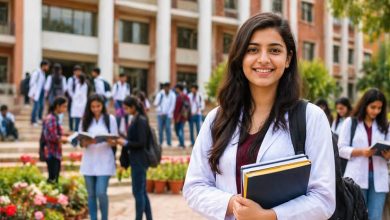
Education in Pune is no longer limited to textbooks, classroom notes, and examination scores. Schools now give steady attention to activities that help students gain confidence, discipline, creativity, and social awareness. Co-curricular activities create meaningful learning experiences outside regular lessons through sports, music, dance, theatre, debates, art, public speaking, quiz clubs, and community service.
These activities help students discover their strengths while gaining practical exposure to teamwork, leadership, responsibility, and emotional balance. Parents exploring the top cbse schools in Pune sometimes look for strong co-curricular programmes because regular participation helps students become more confident in daily school interactions, more disciplined in routines, and more prepared to handle academic and social responsibilities with maturity.
Value Of Co-Curricular Activities In Student Life
Co-curricular activities add depth to school education because they connect learning with real experiences. A student who takes part in a debate learns research, confidence, and clear expression. A student who joins a sports team learns discipline, patience, and respect for rules.
In Pune, school life can feel busy because students sometimes manage academics, assignments, tests, and personal goals together. Co-curricular activities give them a healthy space to use their energy in productive ways. The best school in Maharashtra should include these activities because they help students grow with stronger habits and sharper life skills.
Confidence And Communication Skills
Good communication is an important part of student development. Co-curricular activities give students regular chances to speak, present, listen, and respond with clarity.
Public Speaking And Debate
Debates, elocution, storytelling, and speech competitions help students organise thoughts and express ideas with confidence. These activities improve vocabulary, pronunciation, and stage presence. Students also learn how to speak with respect, answer questions, and stay calm in front of others.
Team Events And Group Tasks
Group activities teach students how to listen, cooperate, and share responsibilities. Cultural events, school clubs, exhibitions, and sports teams help students understand the value of teamwork. These experiences improve patience, social behaviour, and mutual respect.
Emotional Balance And Mental Wellness
Co-curricular activities support emotional health because they give students space for expression. Art, music, dance, drama, and creative writing help children share thoughts and feelings in a healthy way. These activities reduce stress and make school life more enjoyable.
Physical activities also support mental wellness. Yoga, athletics, football, basketball, swimming, and other sports improve stamina, focus, and energy. Students who take part in such activities sometimes develop better routines and stronger concentration during academic hours.
Discipline And Responsibility
Co-curricular activities teach discipline through regular practice and active participation. Students learn to arrive on time, follow instructions, prepare for events, and complete assigned duties. These habits improve their sense of responsibility.
School events also help students understand planning and accountability. A student handling a role in a play, a sports event, or a club activity learns commitment through action. Such experiences build maturity naturally and practically.
Key Skills Students Develop
- Time management
- Self-discipline
- Team spirit
- Leadership ability
- Creative expression
- Emotional control
Leadership And Social Growth
Leadership grows when students receive opportunities to make decisions and manage tasks. Co-curricular activities create such opportunities through clubs, events, competitions, and student-led programmes.
A student who leads a group activity learns how to guide others, solve small problems, and complete tasks with care. These roles improve confidence and decision-making. Students also learn how to respect different opinions and work with classmates from varied backgrounds. Many parents searching for the best school in Maharashtra value schools that encourage leadership through structured activities.
Physical Fitness And Healthy Habits
Sports and fitness activities are important for complete student development. Regular participation in games improves strength, flexibility, stamina, and coordination. It also helps students understand the importance of health and routine.
Sports teach students how to accept results with maturity. A match or race gives them lessons in effort, practice, patience, and fair play. These lessons stay useful beyond school life.
Benefits Of Sports Activities
- Better physical fitness
- Improved concentration
- Stronger discipline
- Healthy competitive spirit
- Better teamwork
Creativity And Practical Talent
Creative activities give students a chance to think with originality. Drama, music, painting, craft, science exhibitions, and literary clubs help students explore ideas with confidence. These activities develop imagination and practical problem-solving skills.
Creative participation also helps students discover hidden talents. A child may find interest in theatre, music, design, poetry, or public speaking through school activities. Such exposure supports personality development and encourages self-belief.
What To Check In School Activity Facilities In Pune
Schools with structured co-curricular support usually provide trained instructors, regular activity schedules, supervised practice sessions, and balanced participation opportunities. These elements help students develop communication skills, discipline, teamwork, creativity, and confidence through organised learning experiences that support long-term personal growth alongside academics.
Co-curricular activities in Pune help students build confidence, discipline, creativity, fitness, teamwork, and communication skills. Parents looking for the top cbse schools in Pune often value structured activity programmes that support balanced academic and personal growth. These activities also help students develop practical habits that support learning beyond the classroom.