
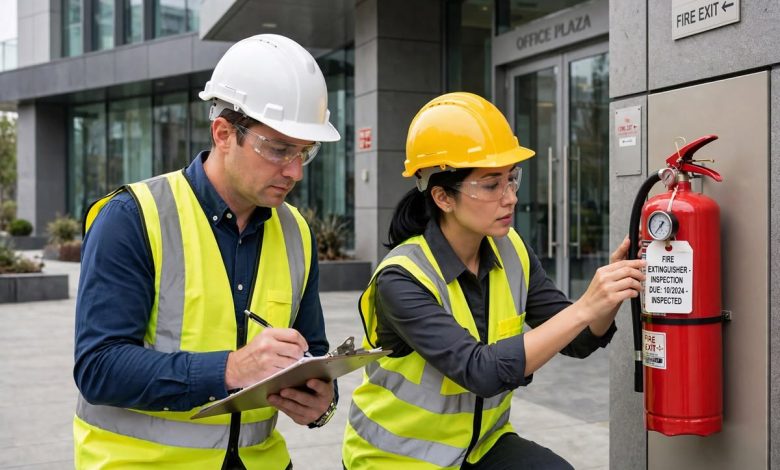
A welding task begins inside a busy work area. Sparks move beyond the immediate work point. Nearby materials may react before anyone notices. A trained fire watch service worker stays alert throughout the activity. Their attention helps spot smoke, heat or glowing debris early. Careful observation also supports a safer response when work conditions change.
Careful Oversight During Work
Hot work needs steady observation from start to finish.A watch person checks the surrounding area throughout the task.
They remain alert near exposed surfaces or nearby materials.Their presence supports quick action when unusual signs appear.
Clear Duties Before Work
Good preparation starts before equipment begins operating.The assigned person should understand the work location clearly.
Nearby risks need review before sparks or heat are produced.Communication details should also remain clear among workers.
Watch Duties That Matter
A focused watch person follows several simple duties.Each task supports early recognition of possible fire conditions.
- Check nearby surfaces before hot work activity begins.
- Watch exposed areas for smoke or unusual heat.
- Keep suitable response equipment close to the work zone.
- Observe hidden spaces where sparks could travel unnoticed.
- Report unsafe changes without delaying necessary action.
- Remain attentive during pauses in active work.
- Inspect nearby areas after equipment stops operating.
- Continue monitoring until the area shows no remaining concern.
Surrounding Areas Need Attention
Sparks can travel farther than expected during cutting or welding.Small openings may allow heat to reach another section.
Stored materials can increase the chance of unwanted ignition.Regular observation helps identify these concerns before they spread.
What Should Happen After Hot Work Stops?
Stopping equipment does not always remove every fire concern immediately.Heat can remain inside surfaces after visible sparks disappear.A nearby material may begin producing smoke later.
The assigned worker should therefore continue watching the area carefully.A useful check includes walls, floors, ceilings and nearby openings.
Attention should also cover concealed spaces around the work location.Any unusual smell, warmth or smoke deserves prompt attention.A fire watch service can maintain this observation until conditions become stable.
Simple Checks Support Better Control
Clear checks make monitoring easier for everyone involved.Workers can follow the same routine before each task.
This reduces missed areas during busy work periods.Consistent checks also create a clear record of observations.
Communication Keeps Actions Clear
Quick communication matters when conditions change unexpectedly. The watch person should know who receives urgent warnings. Workers should also understand when activity must stop. Simple instructions can reduce confusion during a developing problem.
Common Questions About Hot Work Monitoring
- How long should monitoring continue after hot work ends?Monitoring should continue until nearby areas show no remaining heat or smoke.
- What areas require attention during welding or cutting?Surfaces, openings, concealed spaces, and nearby storage areas require regular observation.
- Who should remain responsible during a temporary work pause?The assigned watch person should maintain observation throughout the approved monitoring period.
- What signs may indicate an emerging fire concern?Smoke, unusual warmth, glowing material, or burning smells may indicate trouble.
- Why should hidden spaces receive additional attention during monitoring?Sparks can enter openings where heat may remain unnoticed for longer.
- What should workers do after noticing unexpected smoke?They should alert responsible personnel immediately and follow the established response procedure.
Records Help Maintain Order
Simple records can show when checks occurred during the work period. Notes may include unusual findings or actions taken afterward. Such records help supervisors review work conditions later. They also encourage consistent attention across repeated tasks.
Strong Habits Shape Safer Work
Reliable hot work control depends on steady execution. Preparation should happen before tools begin producing heat. Observation should continue while activity remains active. Post work checks should receive equal attention afterward.
Steady Attention Protects Work Areas
Hot work safety depends on disciplined observation rather than rushed decisions. Every task deserves suitable preparation before sparks begin moving. Nearby surfaces require attention throughout active operations. Hidden spaces deserve careful checking after equipment stops. Consistent monitoring gives workers a clearer response path when conditions change.


