Checking Blood Pressure (BP) is an important part of staying healthy. Blood pressure can change slowly, and most people do not notice any signs. That is why checking it weekly is helpful. Today, a BP monitor makes it easy to check blood pressure at home. It helps people stay aware of their health and notice changes early.
When used often, it supports better health habits and timely medical advice if needed. Let’s learn how a BP monitor works and how using it regularly is a simple step toward better heart health and overall well-being.
Factors that May Lead to High Blood Pressure
High blood pressure often develops gradually due to everyday habits and health conditions. Some common contributing factors include:
- Diets high in salt and saturated fats, with limited fruit and vegetable intake
- Long periods of physical inactivity or sedentary routines
- Smoking and excessive alcohol consumption
- Excess body weight, which increases pressure on the cardiovascular system
Because these influences build slowly over time, regular checks with a BP monitor can help people stay aware and take timely action when needed.
How to Measure Your Blood Pressure?
Doctors follow proper methods to measure blood pressure accurately and understand the readings clearly. Common methods include:
- Auscultatory Method: Doctors use a manual cuff and a stethoscope to listen to specific sounds that show systolic and diastolic pressure.
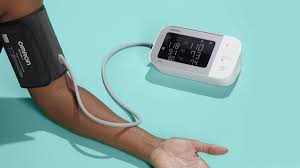
- Oscillometric Devices: These are automatic digital monitors, including a BP monitor, that detect blood flow changes and show readings on the screen.
- Ambulatory Monitoring: A small portable device records blood pressure over 24 hours during daily activities and sleep.
- Home-based Monitoring: People check their blood pressure at home using an approved device, such as a digital BP machine, to track changes outside the clinic.
- Central Aortic Pressure Measurement: Special methods are used to measure pressure directly in the aorta rather than in the arm when detailed analysis is needed.
Each method gives useful information about heart health. Doctors choose the method based on medical needs and the level of detail required.
What is a BP Monitor?
A BP monitor is a simple device that checks the pressure of blood flowing through the arteries. It shows two numbers. The first is systolic pressure, which is the pressure when the heart beats. The second is diastolic pressure, which is the pressure when the heart relaxes between beats. These readings help people understand how well the heart is pumping blood in the body.
Today, many homes prefer automatic devices because a digital BP machine is easy to use and simple to read. It allows people to check their blood pressure quickly and comfortably at home.
How Regular Blood Pressure Monitoring Helps
Regular blood pressure tracking supports better long-term awareness and routine health management.
- Regular use of a BP monitor helps notice early changes so timely care can begin.
- Stored readings provide useful information that improves doctor consultations.
- Frequent checks often encourage healthier eating, movement, and stress control.
Checking at home means fewer clinic visits. A digital BP machine makes monitoring easy, private, and comfortable, especially for busy people.
Normal Blood Pressure Levels by Age
Blood pressure does not stay the same throughout life. Average readings can differ by age, which is why knowing the usual range helps people understand their numbers better and monitor them wisely with a BP monitor.
Below is a general guide to normal blood pressure by age:
- Newborns: 64/41 mmHg
- Infants/Toddlers (1 month–2 years): 95/58 mmHg
- Children (3–5 years): 99/64 mmHg
- Children (6–9 years): 105/69 mmHg
- Adolescents (10–17 years): Varies by height and gender
- Adults: Below 120/80 mmHg
- Elderly: Slightly higher ranges may be acceptable
Tracking readings regularly with a digital BP machine helps ensure blood pressure stays within the expected range for one’s age.
Tips for Accurate Blood Pressure Monitoring
To get the right reading from a BP monitor, follow this simple step:
- Sit comfortably and relax for a few minutes before checking.
- Keep the arm supported at heart level
- Avoid caffeine or heavy activity just before checking
- Check at the same time every day
These steps help the readings show true resting blood pressure.
A Simple Step for Better Health
Using a BP monitor regularly is an easy and helpful way to take care of your heart. It shows your blood pressure clearly, so you can understand how your heart is doing. Digital BP machines from wellness brands like AGEasy make checking at home simple, fast, and comfortable. Regular monitoring helps you notice changes early, take timely action, and feel more in control of your health.
By staying consistent, you can make better choices for eating, exercise, and rest. Checking often keeps you aware, balanced, and confident in keeping your heart and overall health in good shape.