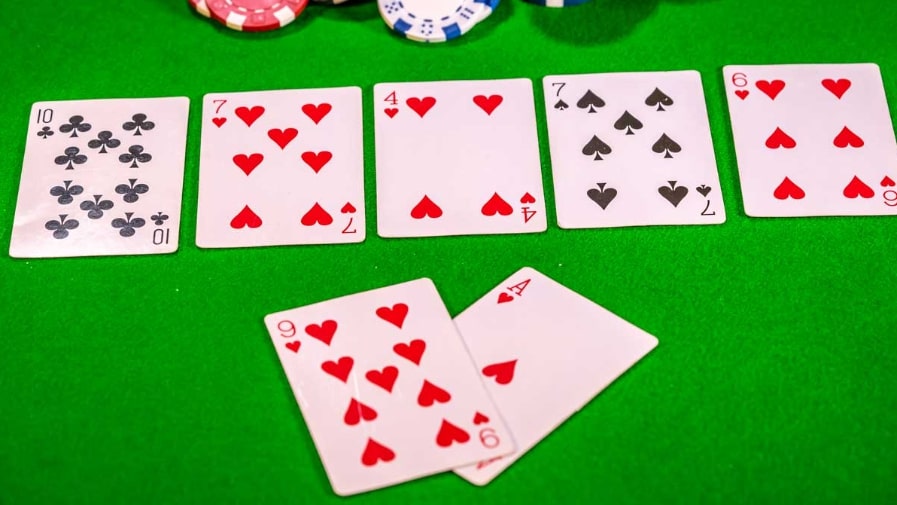
A flush draw is one of the most exciting and dynamic situations you can face at the poker table. Whether you’re playing tournaments, cash games, or even free poker formats to sharpen your skills, knowing how to handle a flush draw can turn tricky spots into profitable opportunities. Many winning Master Poker players rely on flush draws not only to make strong hands but also to apply pressure and win pots without ever needing to hit their card.
What Exactly Is a Flush Draw?
A flush draw happens when you have four cards of the same suit after the flop, and you need one more card of that suit to complete a five-card flush. For example, if you’re holding two hearts and the flop brings two more hearts, you are officially on a flush draw.
This is one of the strongest drawing hands in poker because it has multiple ways to win. You might make your flush on the turn or river, or you might force your opponent to fold before the hand even reaches showdown. Understanding the strength of your draw helps you decide whether to bet, raise, or take a more conservative line.
How Many Outs Does a Flush Draw Have?
A standard flush draw gives you nine outs. Since a suit has thirteen total cards and you can see four of them (your two hole cards plus two on the flop), there are nine remaining cards in the deck that can complete your flush.
With nine outs, the chances of hitting your flush are:
- About 35 percent by the river if you see both turn and river
- Roughly 19 percent on the next card (turn or river individually)
These odds explain why flush draws are excellent hands to semi-bluff with, especially when you have position or fold equity.
How to Play a Flush Draw Effectively
Playing a flush draw well depends on the situation, the opponent, and the texture of the board. Here are a few smart approaches to consider:
1. Semi-Bluff When the Spot Is Right
One of the biggest strengths of a flush draw is that it can win Poker Now in two ways. You might hit your card, or you might force your opponent to fold. This combination gives your hand strong potential even when you’re behind at the moment.
2. Consider Your Position
Flush draws become significantly easier to navigate when you act last. Position allows you to control the pot size, apply pressure, and make more informed decisions based on your opponent’s actions. When you’re out of position, you must be more cautious.
3. Don’t Chase Every Draw
Not all flush draws are created equal. For instance, a weak low-suited flush draw against heavy aggression can be dangerous, especially if your opponent likely holds a higher flush draw. You should always consider the strength of your draw and the players involved before committing chips recklessly.
Why Flush Draws Are So Valuable
Flush draws add a layer of flexibility that many other hands don’t provide. They give you equity even when you’re behind, and they allow you to take advantage of fold equity when you decide to bet. In tournaments, they are powerful tools for building stacks, and in free poker environments, they help you practice reading opponents and applying pressure.
Conclusion
A flush draw is more than just a chance to hit a strong hand; it’s a strategic weapon that can help you win pots in multiple ways. Understanding how often they hit, when to apply pressure, and how to evaluate their strength is crucial for becoming a well-rounded poker player. Whether you’re practicing in free poker games or playing more competitive formats, mastering flush draws will elevate your overall performance at the table.