

A healthy running heart rate reflects how efficiently your body responds to movement and how well you manage training intensity. It changes with age, fitness level, pace, and terrain, so no single number fits every runner. Instead, a healthy range helps you understand whether your effort supports performance or pushes you too far. Tracking this range becomes easier when you use a smartwatch that displays real-time heart rate data clearly and consistently. When you see how your heart reacts as you speed up, slow down, or climb hills, you learn what a safe effort feels like. This makes the average heart rate while running more meaningful because you understand your own patterns, not someone else’s. Smartwatches such as the HUAWEI WATCH GT 6 Pro help present these insights in a simple, readable way during outdoor runs, supporting safer and more effective training.
How to Understand What a Healthy Running Heart Rate Means?
Heart Rate Zones Help You Identify Safe and Effective Effort Levels
A healthy running heart rate depends largely on the zone you train in. Heart rate zones categorize your effort from very light to near maximal. Easy runs typically fall in a lower zone where breathing remains steady and conversation feels comfortable. Medium-intensity runs move into a higher zone, where breathing deepens but remains controlled. Harder sessions push the heart rate near its upper threshold. Understanding these zones helps you choose the right effort for each workout. Smartwatches simplify this process by displaying your live heart rate and zone directly on your wrist. The HUAWEI WATCH GT 6 Pro shows heart rate clearly even in bright sunlight, making it easy to check intensity without slowing down. When you follow zones rather than guessing, training becomes safer and more structured.
Your Fitness Level Influences Your Individual Heart Rate Range
A healthy range varies from one runner to another. Beginners often run at a higher heart rate even at slow speeds because their cardiovascular system is still adapting. Experienced runners may maintain lower heart rates at the same pace because their hearts pump more efficiently. Factors such as heat, stress, terrain, and hydration also influence readings. Smartwatch data helps you notice how these variables affect your personal range. Devices like the HUAWEI WATCH GT 6 Pro monitor heart rate trends over time, letting you compare sessions and identify patterns. You begin to understand what feels comfortable, what feels difficult, and what feels unsustainable. This personal insight is more valuable than relying on generalized charts alone.
Heart Rate Provides Clues About Your Recovery and Readiness
A healthy heart rate during running also depends on how well-rested you are. If your heart rate rises unusually high during an easy session, your body may still be recovering from previous training or dealing with stress. A smartwatch helps you detect these signals by comparing current data with your normal patterns. The HUAWEI WATCH GT 6 Pro supports this with continuous monitoring that shows your daily heart rate behavior, making it easier to spot when something feels off. When you notice unexpected spikes, you can adjust your session to avoid pushing through fatigue. This protects your long-term progress and reduces the risk of overtraining.
How to Use Smartwatch Data to Maintain a Healthy Running Heart Rate?
Track Real-Time Heart Rate to Guide Your Pace
One of the most useful smartwatch features is live heart rate tracking. As you run, your heart rate changes with speed, terrain, and effort. Real-time numbers help you stay in your desired training zone. If you run faster than planned, the increase appears immediately on your watch, prompting you to ease your pace early instead of waiting until fatigue sets in. The bright AMOLED screen on the HUAWEI WATCH GT 6 Pro makes this information easy to read outdoors, whether you run through shaded parks or open streets. By glancing at your wrist without stopping, you adjust your pace smoothly and maintain a heart rate that supports both safety and performance.
Use Long-Term Heart Rate Trends to Improve Training Plans
Daily readings tell you what happens during a single run, but trend data highlights how your body changes over time. When you compare week-to-week heart rate patterns, you see whether your fitness improves, plateaus, or declines. Lower heart rates at the same pace usually signal progress, while higher heart rates may indicate fatigue, stress, or the need for more recovery. Smartwatches like the HUAWEI WATCH GT 6 Pro store these insights so you can review them whenever you plan your next training block. This helps you create a running schedule that matches your current condition instead of relying on outdated assumptions. Trend analysis builds smarter, more individualized training.
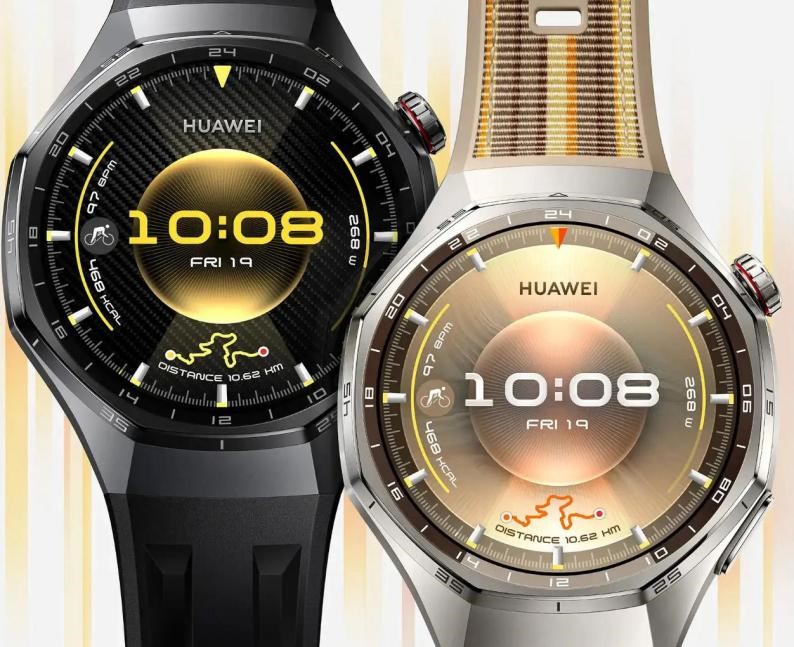
Use Heart Rate to Balance Your Workouts for Safer Progress
Heart rate helps you balance hard and easy days. After intense workouts, your heart rate during light runs may stay elevated if your body needs more rest. Using smartwatch data, you can decide when to push and when to take it easy. The HUAWEI WATCH GT 6 Pro monitors stress levels and fatigue indicators along with heart rate, giving you a fuller picture of your readiness. When these insights stay elevated, a lighter run or a complete rest day becomes the better choice. This approach protects your cardiovascular system and your muscles, reducing unnecessary strain and keeping your training consistent across weeks instead of forcing intensity every day.
Conclusion
A healthy average heart rate during running depends on your fitness level, your recovery status, and the intensity of the session. Instead of focusing on one universal number, it is more helpful to understand your personal range and how it changes with pace and effort. Smartwatches make this easier by providing real-time heart rate data, long-term trends, and clear zone indicators that guide you toward safer training decisions. The HUAWEI WATCH GT 6 Pro enhances this understanding with reliable monitoring and an easy-to-read display that supports outdoor running. When you pay attention to heart rate before, during, and after each session, you train with greater awareness, protect your long-term health, and build steady progress you can feel on every run.


