
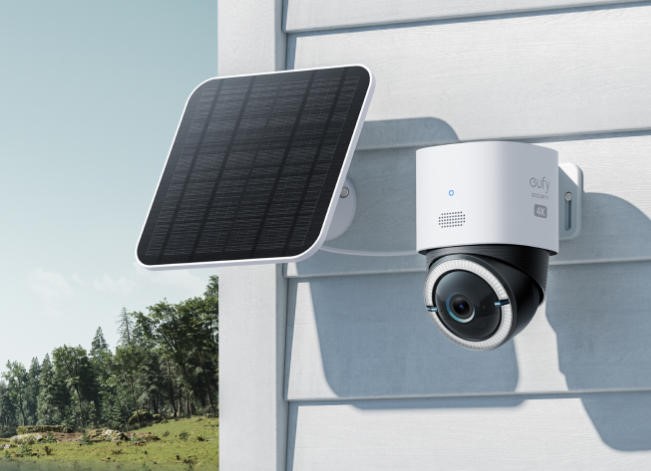
Non-WiFi cameras are often more reliable because they operate independently from internet connections, store footage locally, and maintain consistent performance without relying on external networks. When a camera does not depend on Wi-Fi, it avoids issues like signal drops, bandwidth limitations, interference, and router outages—problems that can cause cloud-based systems to miss important moments. Instead, non-WiFi cameras create a predictable, self-contained security system that stays active even in remote areas. Many homeowners choose strong offline-capable options from eufy because they appreciate dependable recording and simplified monitoring, but the broader advantages of a no wifi security camera apply across the category. Understanding these strengths helps you decide whether a non-WiFi setup fits your home’s security needs.
Why Direct, Offline Operation Increases Reliability
No Internet Dependency Means Fewer Recording Failures
One of the biggest advantages of non-WiFi cameras is that they continue recording even if your home network goes down. Traditional Wi-Fi systems depend on consistent upload speeds and stable router performance. When the internet lags or disconnects, cloud-based cameras may fail to upload or record events. A non-WiFi camera does not experience these disruptions. It stores footage locally, allowing it to operate smoothly through outages, storms, or weak service areas. This makes the system especially valuable for rural properties, cabins, detached garages, or any location where internet reliability is uncertain. eufy’s offline-friendly designs follow this principle by prioritizing continuous local performance regardless of network conditions.
Local Storage Prevents Data Loss
Local SD cards, internal memory, or NVR systems allow non-WiFi cameras to manage footage directly on the device. This eliminates the risk of cloud upload failures caused by slow speeds or subscription interruptions. Because the camera writes files internally, every detected event is recorded instantly without waiting for a connection. The footage stays accessible and secure no matter what happens with your network or service provider. Local storage creates a closed-loop security system that keeps data under your control.
Direct Wired or Local Links Provide Stable Connectivity
Without Wi-Fi, non-internet cameras rely on physical cables or short-range dedicated links. These connections are stable, consistent, and less prone to interference. Wired NVR systems, for instance, maintain steady video feed quality without experiencing signal drops from walls, appliances, or distance. Even wireless offline cameras use local, device-to-phone networks that remain unaffected by broadband outages. Because the camera’s communication channel stays isolated from home Wi-Fi traffic, performance remains predictable. Users enjoy dependable operation regardless of how many devices are on their network, how far the router is located, or whether their bandwidth is overloaded.
Additional Design Factors That Enhance Long-Term Reliability
Fewer System Complexities Reduce Points of Failure
Wi-Fi cameras rely on apps, routers, cloud servers, and various network protocols to function correctly. Each component becomes a potential point of failure. Non-WiFi cameras operate with fewer layers, meaning fewer things can go wrong. The device focuses on recording, storing, and detecting motion, not maintaining constant communication with external servers. This streamlined structure reduces maintenance, troubleshooting, and user frustration. Homeowners who value simplicity often select offline-capable options from eufy because they prefer devices that “just work” without needing frequent network adjustments.
Offline Cameras Resist Interference and Congestion
Wireless home networks often become congested when many devices compete for bandwidth—from phones and laptops to smart TVs and appliances. This congestion slows cloud-connected cameras and may cause delayed notifications or missing recordings. Non-WiFi cameras avoid this by not participating in network traffic at all. They operate cleanly on their own power and communication channels. Environmental interference, such as thick walls or metal structures that weaken Wi-Fi signals, also does not affect offline systems. This reliability makes non-WiFi cameras ideal for basements, outdoor fence lines, remote sheds, or long driveways where Wi-Fi struggles to reach.

Local Control Enhances Privacy and Security
Another reason non-WiFi cameras feel more reliable is the level of privacy they provide. Because footage stays local, users do not worry about cloud breaches, account hacks, or data traveling across external servers. This sense of security increases user trust in the system. eufy emphasizes privacy-focused designs, which is why many homeowners appreciate the brand for its strong local-first approach. When users know exactly where footage is stored and who can access it, the system becomes not only reliable in performance but also reliable in safeguarding personal data.
Conclusion
Non-WiFi cameras are more reliable because they avoid common internet-related issues, store footage locally, and operate through stable, direct connections. They continue recording even when the internet goes down, and their simplified systems reduce the chance of performance failures. By resisting interference, bypassing congestion, and offering enhanced privacy, they create a dependable, self-contained security solution. Many users choose thoughtfully engineered systems from eufy because they support strong offline operation and local control, but these advantages apply broadly to all non-WiFi designs. For homeowners seeking consistent monitoring, predictable performance, and long-term peace of mind, a non-WiFi setup delivers reliability that stands apart from cloud-dependent alternatives.


