A preschool classroom can reveal a lot within just a few minutes. Some children sit quietly with worksheets, while others explore activity corners, build stories through play, or learn outdoors through movement and observation. Parents across Pune now pay closer attention to teaching methods because early learning experiences strongly influence confidence, curiosity, communication, and emotional comfort. Modern classrooms no longer depend entirely on memorization during early childhood education. This article explains the most common teaching approaches used in pre-primary education and how these methods help children adjust comfortably to structured learning environments.
Montessori Classrooms Encourage Independent Learning
Montessori teaching methods focus heavily on independence and self-paced exploration during early childhood education. Many parents exploring a pre primary school in Pune now observe how Montessori classrooms allow children to choose activities calmly within structured learning environments.
Children usually work with hands-on materials designed to improve coordination, concentration, and practical understanding. Teachers guide students gently instead of controlling every classroom interaction directly. This method also encourages responsibility because children learn how to manage classroom materials and complete simple activities independently. Several schools across Pune continue using Montessori principles because young learners usually respond positively to calm and self-directed educational spaces.
Play-way Learning Builds Natural Interest
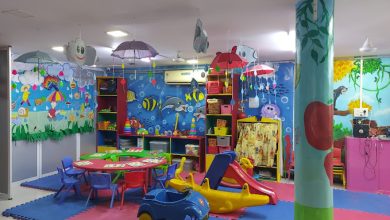
Play-way teaching remains one of the most common preschool methods because young children absorb concepts more comfortably through enjoyable activities. This approach combines games, storytelling, movement, music, and creative interaction within regular classroom learning.
Classroom Games
Simple games help children understand numbers, colors, shapes, and communication patterns naturally during lessons.
Creative Expression
Drawing, singing, role-play, and pretend activities encourage imagination and emotional confidence among preschool learners.
Social Participation
Children gradually improve teamwork and classroom communication through playful group activities during daily routines.
Several parents searching for a kindergarten school in Pune prefer play-way classrooms because they reduce academic pressure during early learning years.
Outdoor Learning Strengthens Real-world Awareness
Outdoor learning methods encourage children to observe, explore, and interact with their surroundings beyond classroom walls. Many preschools now include nature walks, gardening activities, and outdoor storytelling within daily schedules.
These experiences help children improve observation skills, physical coordination, and emotional comfort through movement-based learning. Outdoor teaching also reduces classroom restlessness because children receive opportunities to explore openly during school hours. Families increasingly value outdoor exposure because children usually remain more engaged when lessons include physical interaction and natural surroundings alongside indoor activities.
Activity-based Teaching Improves Participation
Activity-based learning helps children remain involved during lessons instead of passively listening throughout classroom sessions. Teachers use hands-on exercises that encourage participation through touch, movement, discussion, and visual exploration.
Puzzle Activities
Simple sorting and matching tasks strengthen concentration and logical thinking among preschool children.
Sensory Exercises
Water play, clay work, texture boards, and object exploration improve coordination and classroom engagement naturally.
Group Tasks
Collaborative classroom activities encourage communication, patience, and social adjustment during early learning experiences.
Many kindergarten school in Pune combine activity-based teaching with structured routines because children usually learn concepts faster through direct participation.
Theme-based Learning Connects Ideas Naturally
Theme-based teaching organizes classroom activities around common topics such as seasons, animals, community helpers, or transportation. This approach helps children connect different subjects more comfortably during early education.
Teachers may combine storytelling, art activities, songs, vocabulary exercises, and outdoor observation around one classroom theme for several days. Children, therefore, understand ideas more deeply because lessons feel connected instead of fragmented. Parents increasingly appreciate theme-based classrooms because this method keeps children curious while improving memory retention and classroom participation naturally.
Quiet Observation Helps Teachers Understand Children Better
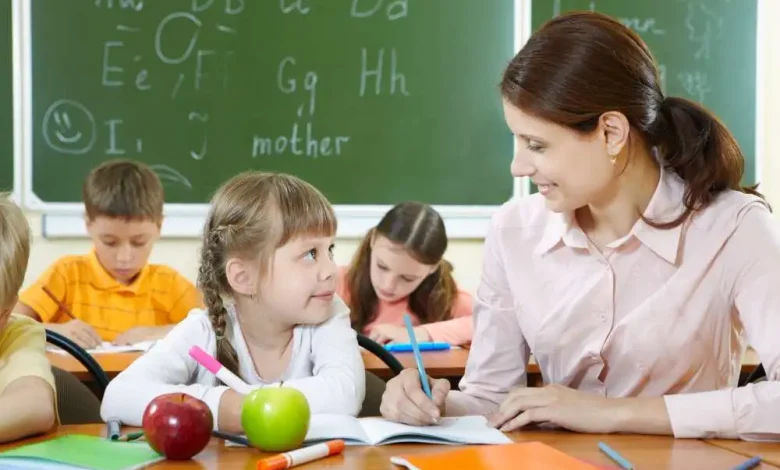
Some preschool classrooms focus carefully on observation before correction or instruction. Teachers quietly watch how children respond during play, social interaction, and independent activities before deciding how to guide them. This approach helps educators understand emotional comfort, communication habits, and confidence levels more naturally.
Children also benefit because they feel less pressured during classroom participation. Teachers can identify hesitation, overstimulation, or social discomfort early through these observations. Many parents exploring a pre-primary school in Pune now appreciate classrooms where teachers respond thoughtfully to individual behavior patterns instead of expecting every child to learn identically.
Balanced Teaching Methods Support Early Development
Strong preschool teaching methods help children develop communication habits, emotional comfort, curiosity, and classroom confidence during important developmental years. Parents exploring a pre-primary school increasingly observe how schools balance Montessori learning, outdoor exposure, creative play, and activity-based teaching before admissions. Families generally benefit from environments where children learn through exploration, movement, interaction, and emotional support instead of excessive academic pressure during early childhood education.