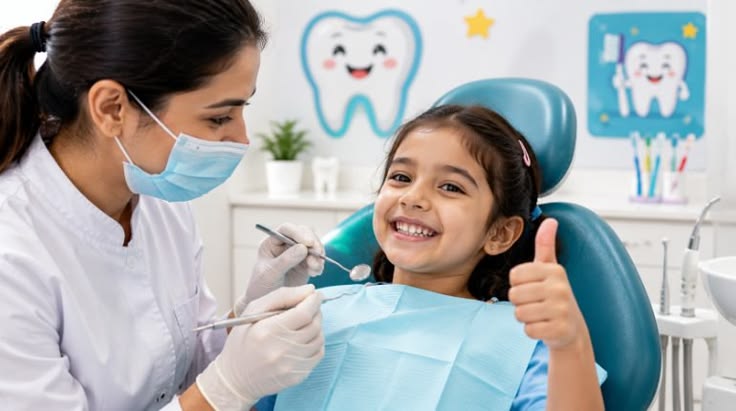
When your baby’s first tooth appears, your first thought probably isn’t to book a dental appointment. There’s only one tiny tooth to look at, after all. But dental care starts earlier than many parents realise, and those first visits aren’t simply about checking for cavities.
Dental organisations generally recommend that children have their first dental visit when their first tooth appears or by around their first birthday. Whether families see their regular family dentist or a paediatric dentist Sydney parents may be referred to for children’s dental care, starting early gives parents an opportunity to ask questions and helps children become familiar with dental visits before there is a problem.
That early appointment is usually much simpler than the dental visits adults are accustomed to. The focus is often on checking development, discussing everyday dental care and helping both parent and child become comfortable with the process.
Why Visit When There Are Only a Few Teeth?
Baby teeth are temporary, but they still matter.
They help children chew, speak and maintain space for permanent teeth developing underneath. They can also develop tooth decay, sometimes earlier than parents expect.
An early dental visit allows a dentist to look at how your child’s teeth and mouth are developing and identify anything that may need attention.
Just as importantly, parents can get practical advice about caring for those first teeth rather than trying to piece together information from friends, family and the internet.
What Happens at the First Appointment?
Don’t expect your toddler to sit perfectly still in a dental chair while undergoing a lengthy examination.
A first appointment is generally kept simple and adapted to the child’s age and comfort level. The dentist may examine the teeth, gums, jaw and bite while looking for signs of decay or developmental concerns.
Parents may also receive advice about topics such as:
- Brushing young children’s teeth
- Appropriate toothpaste use
- Food and drink habits
- Thumb or finger sucking
- Dummy or pacifier use
- Teething
- What to do after a dental injury
It’s also a chance to raise anything you’ve noticed at home.
Starting Early Can Make the Dentist Feel Normal
Imagine a child’s first experience of a dentist happening because they have a painful tooth.
They’re already uncomfortable, they’re entering an unfamiliar environment and they may need treatment from someone they’ve never met. It’s hardly the easiest introduction.
Routine visits provide a gentler way to build familiarity.
Your child can become accustomed to the room, the chair and having somebody look inside their mouth without associating every visit with pain or treatment.
There are no guarantees that a toddler will happily cooperate, of course. Some children will be nervous regardless, and that’s normal. Familiarity simply gives them an opportunity to learn that visiting the dentist is a regular part of looking after themselves.
Start Good Habits at Home
Dental visits are only one part of looking after children’s teeth. Most dental care happens at home.
Once teeth begin appearing, they need regular cleaning. Because young children don’t yet have the dexterity to brush effectively on their own, parents or carers need to take an active role.
Try to make brushing part of the normal morning and bedtime routine rather than something that becomes a daily negotiation.
If your child wants independence, you can let them have a turn before you finish the job. That gives them practice without relying on their brushing skills alone.
Follow age-appropriate professional guidance on toothbrushes, toothpaste and the amount to use, as recommendations can vary according to age and individual circumstances.
Food and Drinks Matter Too
What children eat and drink can affect their teeth, particularly when teeth are frequently exposed to sugary foods or drinks.
It’s not simply about banning every sweet food. Frequency matters too.
Constant grazing or sipping on sugary drinks can repeatedly expose teeth throughout the day. Establishing sensible meal and snack routines can therefore be an important part of dental care.
Water is generally a simple everyday drink choice, while your dentist can provide advice based on your child’s age and needs.
Also remember that some products marketed towards children can contain more sugar than parents realise. Reading labels can occasionally be surprising.
Don’t Wait for Your Child to Complain
Young children aren’t always able to explain dental discomfort clearly.
Watch for changes such as avoiding certain foods, chewing differently, sensitivity, swelling, visible changes to a tooth or unexplained irritability around eating.
If a tooth is chipped or knocked following a fall, seek appropriate dental advice even if your child seems fine.
Regular appointments can help identify some problems before they become obvious at home, but you don’t need to wait for the next scheduled visit if something concerns you.
Make Dental Care Ordinary From the Beginning
Your child’s first dental appointment doesn’t need to be a major event.
In many cases, that’s exactly the point.
Starting around the arrival of the first tooth or by the first birthday allows dental care to become part of normal childhood healthcare rather than something introduced only when a tooth hurts.
Keep brushing routines simple, pay attention to everyday eating and drinking habits, and avoid using the dentist as a threat when your child doesn’t want to brush.
Those small choices can help create something valuable: a child who grows up seeing dental care not as something to fear, but simply as another normal part of looking after their health.