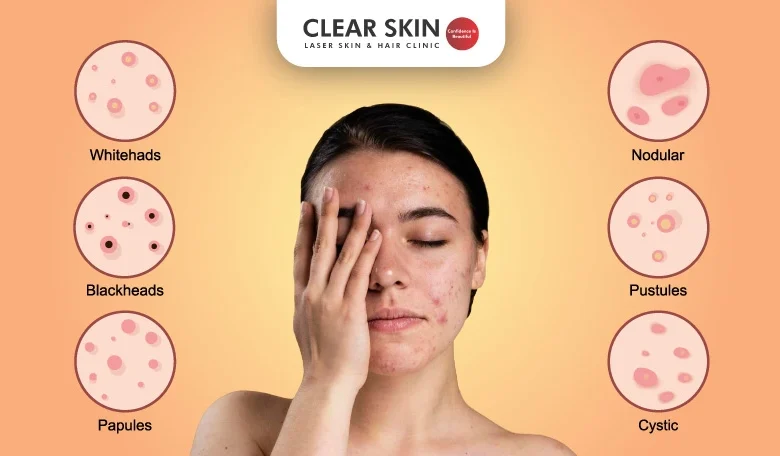
Acne which is commonly known as acne vulgaris happens when oil, dead skin and bacteria block your pores. This blockage of the pores on the skin may leave you with bumps like whiteheads, blackheads, papules, pustules, nodules or cysts.
Many people get acne in their teenage years but it can affect you at any age. Here’s more: https://onefaceclinic.com/the-attack-of-adult-acne-im-already-in-my-30s-and-40s-why-do-i-still-have-troubling-active-acne-on-my-face/.
Now, acne itself isn’t dangerous in a medical sense but it can hurt which explains why many people seek treatment. Depending on severity, you might feel sore from inflamed spots, notice dark marks or even scars afterwards.
This is especially common for in lesions that go deep or get picked at. And yes, acne can hit your mood and cause reduced self-esteem, anxiety, and even depression in some cases.
Ideally, you should see a doctor for acne treatment when you’ve tried over-the-counter creams and they’re not working. Or, if you get deep, painful cysts, scars, lasting marks or feel emotionally drained by your skin.
How do I Know if my Acne Treatment is Working?
When starting new acne treatments, many people feel puzzled as things do not always look better right away. If you’re in the same situation you might want to ask; how do I know if my acne treatment is working?
Now, it is actually pretty common for improvements to not occur instantly as it often takes a few weeks before you can see any real change. Even then, your skin may still break out for a while, because those blemishes were already forming underneath when you started the treatment.
You do want to look for a few hopeful signs though. To know if your acne treatment is working, check if the redness and swelling start to shrink, if pain eases, and if those spots look smaller. That usually means your skin is healing.
You might even see some scab forming or flaking of dry skin. Those too can be signs of the healing process. Another good indicator that your acne treatment is working is if new breakouts become fewer or heal faster over time.
Sometimes though, your skin may seem to get worse at first. That’s called a purge and you might experience it when using things like retinoids, AHAs, BHAs, or salicylic acid.
In such situations, your skin might push clogged bits out faster which can mean more breakouts at first, but it’s your skin clearing deep-down gunk. If that’s what’s happening, the purge usually lasts up to six weeks or so and then subsides.
If, after around 10 to 12 weeks, you don’t see any change or if breakouts spread to new areas, or irritation, burning or prolonged redness sets in the treatment might not be the right one for you. In that case, it’s sensible to talk to your doctor or dermatologist about new acne treatment for you.
So, does Acne Treatment make it Worse Before it Gets Better?
As already explained, when beginning an acne treatment, it can sometimes feel like things get worse at first. As we had already mentioned, that’s often because of something called skin purging.
Certain ingredients like retinoids, salicylic acid, benzoyl peroxide, AHAs like glycolic or lactic acid speed up your skin’s cell turnover and push clogged bits to the surface. That can look like new pimples, but it usually means your skin is working through the old blockages.
Purging tends to begin in the first one to three weeks, mainly in spots where you already break out, and often eases off after four to six weeks. Roughly, a full skin cycle.
However, if breakouts continue past six weeks or appear in new areas, it might not be purging. It could actually indicate that your skin might be reacting or irritated.
To ride it out gently, ease into strong actives. You can start twice a week, then work up slowly, and always hydrate and use sunscreen.
It is also important that you do not pick or scrub the affected area as such actions can scar or prolong the purge. If, after six to eight weeks, your skin is still worse or you notice redness, burning, or new types of blemishes, please stop, reassess, or check in with a dermatologist.
So yes, acne treatments can make your skin look worse first but that doesn’t always mean they’re failing. It’s often part of the healing process.
How Long does it Take for an Acne Treatment to Work?
As you have seen, acne treatment is not something that happens miraculously on one night. So, how long does it take for an acne treatment to work? Here’s a roundup of what you can expect when you begin your acne treatment;
- Weeks 1–2: Your skin needs time to adapt. It’s common to feel dryness, redness or mild irritation. That might even look like more spots, sometimes known as purging. Stick with gentle use as purging doesn’t mean the treatment is not working. It simply signals your routine is starting to interact with existing clogs and clogged pores.
- Weeks 2–4: Still early days, but your skin may start to push out old blockages as new blemishes fade sooner or feel less inflamed. You may be able to start seeing mild improvements. Some spots heal quicker, redness starts calming, and inflammation eases slightly. Stay consistent and gentle. Sudden worseness might not be as alarming as it feels.
- Weeks 4–6: This is when you typically see real change. Breakouts often decrease, new pimples feel smaller, and existing lesions begin healing. Dryness and flaking should be subsiding at this stage. If you have been using benzoyl peroxide, expect irritation to ease. It’s a good sign that your skin is beginning to respond.
- Weeks 6–12: Most of the work happens now. You’ll likely see significant reduction in breakouts and smoother, calmer skin. In many cases, full improvement becomes evident during this period. If you’re not seeing progress by week 12, it’s worth revisiting your treatment plan with a professional.
- Weeks 12–16 (or up to 6 months): This is the period when many see their best results like 80 % or more improvement, often minimal or no new pimples. Some treatments, like isotretinoin, can take longer but often lead to lasting remission. If you’ve hit this phase and the skin holds steady or improves further, that’s a win.
In Closing
Acne can be frustrating, but most treatments work if you give them time and treat your skin gently. You can get clearer skin with the right approach and support, many people do. Start small, and stay consistent.
We provide personalised treatment plans for each case of acne that is brought to us. We also offer clear explanations, proven options and ongoing support to ensure proper healing. Get in touch with us today to book a consultation and find a treatment that works just for you.
One Face Skin Care – Melasma | Pigmentation | Acne Treatment Singapore
1 Tras Link, #02-03/04 Orchid Hotel, Singapore 078867
https://onefaceskincare.com.sg/
+65 8809 9066