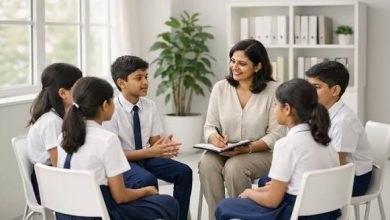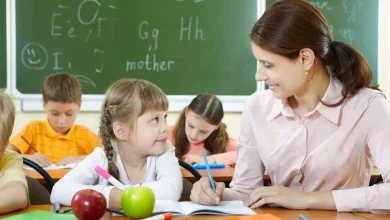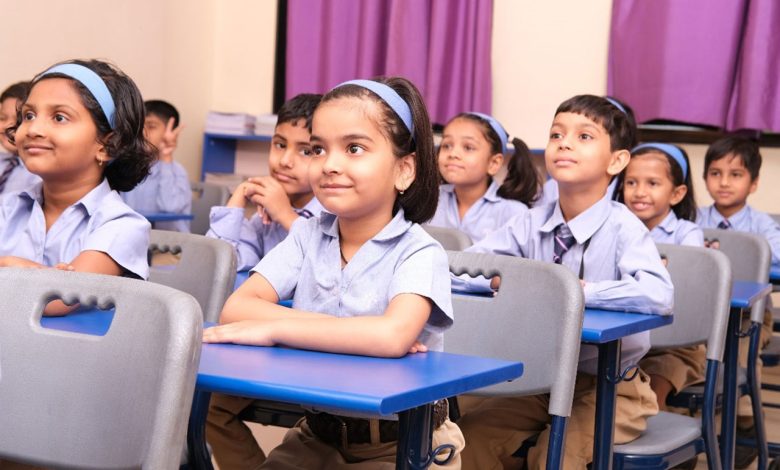
Education in India has grown far beyond rote memorization and textbook-heavy classrooms. CBSE schools across the country now offer a rich blend of academic rigor and co-curricular activities that shape students into well-rounded individuals. These institutions focus on cognitive, emotional, and physical development through structured programs that go beyond the standard curriculum.
Schools affiliated with the Central Board of Secondary Education follow a framework that encourages critical thought, creative expression, and collaborative work. This article provides a detailed look at how the best school in India fosters academic excellence and co-curricular growth in students across India.
Strong Academic Programs for Students
CBSE schools structure their academic programs to build conceptual clarity from the earliest grades. The best school prioritizes a curriculum that integrates STEM education, language proficiency, and social sciences in a cohesive manner. Teachers at these institutions use activity-based methods, project work, and regular assessments to reinforce core concepts. Students benefit from a progressive learning framework that prepares them for national competitive examinations. Academic support systems, including remedial classes and mentorship, ensure that no student falls behind in their educational journey.
Sports Activities for Physical Development
Physical education at CBSE schools extends well beyond mandatory fitness periods and encompasses a wide range of competitive and recreational sports. Schools across India invest heavily in sports infrastructure to give students access to quality facilities. Several key sports programs offered by top CBSE schools include:
- Athletic tracks and field events that build stamina, speed, and discipline in student athletes.
- Team sports such as cricket, football, and basketball that teach collaboration, strategy, and resilience.
- Individual sport programs like badminton, table tennis, and swimming that develop personal focus and mental strength.
- Annual sports days and inter-school tournaments that give students a platform to compete at higher levels.
Arts and Music Programs in Schools
Creative expression holds a central place in the co-curricular framework of CBSE schools. Arts and music programs provide students with an outlet for emotional expression, cultural appreciation, and imaginative thought. These programs are delivered through structured curricula and extracurricular clubs that support diverse creative interests. Notable creative offerings available at leading CBSE institutions include:
- Visual arts classes that introduce students to painting, sculpture, and digital design across grade levels.
- Music programs that cover both Indian classical and Western instruments, along with vocal training.
- Drama and theater workshops that strengthen public communication, empathy, and storytelling abilities.
- Annual cultural festivals and talent shows that celebrate student achievements across all creative disciplines.
Leadership Opportunities for Students
CBSE schools invest in structured leadership programs that prepare students for responsible roles in society. Student councils, prefect bodies, and house captain systems allow learners to take on administrative and organizational responsibilities at the school level. These roles teach accountability, decision-making, and the value of service to a larger community. Schools also facilitate Model United Nations conferences, debate clubs, and youth parliament activities where students tackle real-world issues with informed perspectives. Community service programs and social awareness initiatives further strengthen the capacity for ethical leadership and civic responsibility. These experiences give students an advantage when they enter higher education or professional environments that demand strong interpersonal and leadership capabilities.
Skill Development Through Club Activities
School clubs serve as a vital bridge between classroom theory and real-world application for students at every grade level. Robotics clubs, coding workshops, and science fairs allow students to explore STEM concepts through hands-on experimentation and innovation. Literary societies and journalism clubs develop strong written communication, research skills, and media literacy. Eco-clubs and social initiative groups foster a sense of environmental responsibility and community involvement among young learners. The best school in India channels club activities into structured skill-building events with defined goals, mentorship from trained faculty, and opportunities for interschool collaboration.
Parent Participation in School Activities
Active parent involvement remains one of the most significant factors in a student’s overall academic and personal development. CBSE schools create formal structures for parent engagement, including parent-teacher associations, quarterly review meetings, and open-house days. Parents receive regular progress reports, academic counseling updates, and feedback on co-curricular performance throughout the academic year. Research across the top 10 schools in India consistently highlights that strong parental engagement correlates with improved student outcomes across both academic and extracurricular domains.
CBSE schools across India continue to raise the standard for holistic education by combining academic excellence with meaningful co-curricular experiences. From sports and arts to leadership and parent engagement, each program element contributes to a student’s complete development. The top 10 schools in India set this standard by treating every student as a capable, multi-dimensional learner deserving of both intellectual and personal growth. Families seeking quality education should evaluate schools that invest equally in classroom outcomes and character-building activities.