
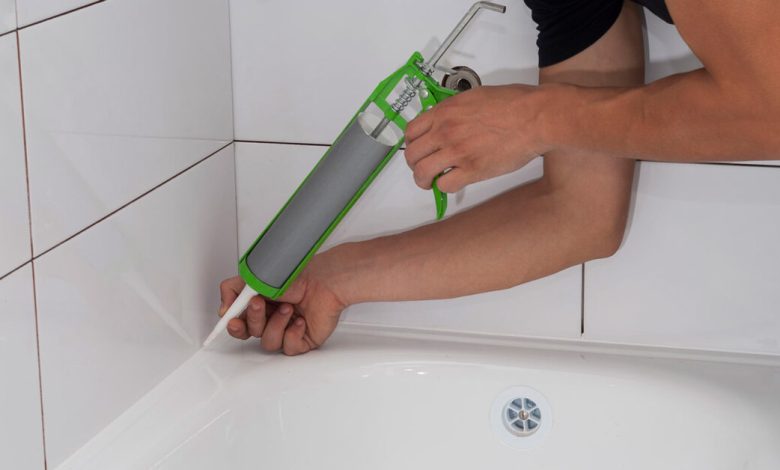
Did you know water damage can cost homeowners thousands? The Grout Specialist says most of these damages can be stopped with effective grouting techniques. Sir Grout notes that spotting water damage signs, like too much water and mildew smells, is key to keeping tiles in good shape.
In places like bathrooms and kitchens, watertight sealing is vital to stop leaks. By using the right grouting tips, you can keep your seal strong and avoid expensive fixes. This guide will show you why proper grouting matters and how to keep your tiles looking great.
Understanding the Importance of Proper Grouting
Grout is more than just a filler in tile installations. It acts as a protective barrier against water damage. Keeping grout in good condition is key to the longevity of your tiles. By understanding its role, homeowners can avoid expensive repairs later on.
How Grout Prevents Water Damage
Grout seals the gaps between tiles, stopping water from getting behind them. Using high-quality grout and proper techniques is vital for a waterproof seal. The Grout Medic Denver Staff says that using good grout sealers makes this barrier even stronger, lowering the risk of water damage.
Common Signs of Grout Failure
Grout failure can show up in many ways, like cracks, discoloration, and moisture. Regular checks can catch these problems early. Look out for:
- Cracks or gaps in the grout
- Discoloration or staining
- Moisture accumulation or mold growth
The Cost of Neglecting Grout Maintenance
Ignoring grout maintenance can be very costly. Damaged grout can lead to water damage, mold, and expensive repairs or even replacing the tiles. The Grout Specialist stresses that regular maintenance is key to avoiding these costs.
Here’s a table showing the costs of neglecting grout and the benefits of regular care:
| Issue | Cost Without Maintenance | Cost With Regular Maintenance |
| Water Damage Repair | $1,000 – $3,000 | $0 – $500 |
| Mold Remediation | $500 – $1,500 | $0 – $300 |
| Grout Replacement | $2,000 – $5,000 | $500 – $1,000 |
By following best practices for grouting, including regular sealing and maintenance, homeowners can greatly reduce the risk of water damage and its costs. It’s vital to make grout maintenance a priority to keep your tiles looking good for years.
Essential Tools and Materials for Grouting Projects
To get a strong and watertight seal, you need the right tools and materials. The right equipment ensures a professional look and makes the job easier.
If you’re doing it yourself, getting top-notch grout and tools is key. Sir Grout says to use epoxy grout in wet areas because it resists water well. But, if your project is complex or you’re not sure about DIY grouting, professional grouting services can help.
Here are the main tools and materials you’ll need for grouting:
- Grout (sanded, unsanded, or epoxy-based)
- Grout float
- Grout sponge
- Water
- Clean rags
- Sealant (optional)
For harder projects, you might need a grout saw, grout removal tool, or a grout cleaner. The Grout Specialist advises getting professional help for these jobs for the best results.
When picking grout, think about your project’s needs. Epoxy grout is great for wet places like bathrooms and kitchens. For less wet areas, sanded or unsanded grout works well.
“The quality of the grout and the tools used can significantly impact the durability and appearance of the grouting job.”
Sir Grout
In short, having the right tools and materials is key for a good grouting job. Whether you’re doing it yourself or hiring pros, knowing what you need helps get a strong and watertight seal.
Preparing Your Surface for Proper Grouting
To get a durable and water-resistant grout, you need to prepare the surface well. A good surface is key for a successful grouting project. It involves several important steps.
Grout Medic Denver Staff says, “Proper surface preparation is the backbone of any successful grouting project.” This means cleaning well, removing old grout, and checking moisture levels.
Surface Cleaning Techniques
Cleaning the surface is the first step for grouting. The Grout Specialist suggests using a pH-neutral cleaner and a soft brush to clean dirt, grime, and mildew. This stops mold and mildew, making the grout cleaner and healthier.
For DIY grouting, clean spills right away to stop moisture from getting into the grout lines. Grout Medic Denver Staff says, “Quick action can greatly extend your grout’s life.”
Removing Old Grout
Removing old grout needs careful attention to avoid damaging tiles. Use a grout removal tool or a rotary tool with a grout removal bit to remove it carefully.
The Grout Specialist advises working in small sections for even removal and to avoid damage. “Patience is key when removing old grout,” they say.
Moisture Assessment and Control
Checking and controlling moisture is key to avoid water damage and ensure the grout sticks well. Too much moisture can weaken the grout and cause water to seep behind the tiles.
“Excess moisture can compromise the integrity of the grout, leading to costly repairs down the line.” – Grout Medic Denver Staff
To control moisture, make sure the surface is dry before applying new grout. Using a moisture-resistant grout adds extra protection.
By following these steps and tips, homeowners can have a successful grouting project. For more DIY grouting tips and expert advice, talk to professionals like Grout Medic Denver Staff and The Grout Specialist.
Professional Grouting Techniques for Lasting Results
Expert grouting techniques and regular maintenance are key for your tiles to last. DIY grouting might save money on small projects. But, professional services usually give better results.
Why Professional Grouting Matters
Services like Sir Grout and The Grout Specialist use top-notch materials and know-how. They make sure your grout is strong and keeps water out. Sir Grout says sealing your grout often is vital to keep it water-resistant and prevent stains.
“Regular maintenance is essential to prolong the lifespan of the grout and prevent future issues.” – The Grout Specialist
Key Benefits of Professional Grouting
- High-quality materials that are more durable and resistant to water damage
- Expert application techniques that ensure a watertight seal
- Regular maintenance plans to prevent grout failure and extend the lifespan of your tiled surfaces
Choosing professional grouting and sticking to a maintenance plan keeps your tiles looking great. It also keeps them safe from water damage and grout problems. Grout care is more than just looks. It’s about protecting your investment.
Selecting the Right Type of Grout for Your Project
The type of grout you choose can greatly affect your tiles’ durability and look. With many options, it’s key to know the differences to make a good choice.
Sanded vs. Unsanded Grout
Sanded grout is best for wider grout lines (over 1/8 inch) because it’s more durable and less prone to shrinkage. It’s great for floor tiles and places that get a lot of use. Unsanded grout is better for narrower lines and is often used on walls and countertops for a smoother look.
Sanded grout has sand, which makes it stronger and helps it not shrink as much. But, it can scratch some tile surfaces. In contrast, unsanded grout is smoother and won’t scratch tiles but might shrink more.
Epoxy Grout Options
Epoxy grout is very durable and water-resistant, perfect for wet places like bathrooms and kitchens. Grout Medic Denver Staff says epoxy grout naturally resists water, lowering the chance of water damage. It also resists stains and can handle a lot of foot traffic.
“Epoxy grout is a game-changer for areas exposed to excessive moisture. Its water-resistant properties make it an excellent choice for homeowners looking to prevent water damage.” – Grout Medic Denver Staff
Colour Selection and Matching
Choosing the right colour for your grout is very important. The right colour can make your tiles look better and match the room’s style. The Grout Specialist advises picking a grout colour that matches your tiles and the room’s look.
- Match the grout colour to the dominant colour in your tiles for a cohesive look.
- Use a contrasting grout colour to create a visually appealing pattern.
- Consider the overall style and décor of the room when selecting a grout colour.
Maintaining Your Grout to Prevent Water Damage
Keeping your grout in good shape is a simple way to protect your home from water damage. Regular care of your grout stops water from getting behind tiles and prevents mold and mildew. Sir Grout says sealing it often is key to keep it water-resistant.
Regular Cleaning is the first step in grout care. The Grout Specialist suggests cleaning your grout often to stop dirt and grime buildup. Use a mild detergent and water for this. For hard stains, try a mix of baking soda and water.
“Regular grout maintenance is key to preventing water damage and ensuring the longevity of your tiled surfaces.”
Grout sealing is also very important. Sealing your grout keeps water out, which reduces damage risk. How often you seal depends on your grout type and how wet it gets.
| Grout Maintenance Task | Frequency | Benefits |
| Regular Cleaning | Weekly | Prevents dirt buildup |
| Grout Sealing | Every 1-2 years | Protects against water damage |
By sticking to a routine of cleaning and sealing, you can make your grout last longer and avoid water damage. This not only saves money but also makes your home healthier and safer.
When to Call Professional Grouting Services
Knowing when to call professional grouting services can save homeowners from headaches and costly repairs. DIY grouting works for small projects, but professionals are needed for bigger jobs. They ensure the job is done right and fast.
Signs You Need Expert Help
Water damage is a clear sign you need professional grout pumping services in Edmonton. Cracks in the grout or water stains mean you should get expert help. The Grout Specialist says ignoring these signs can cause bigger problems like structural damage and mold.
Other signs include uneven grouting, discoloration, and crumbling or missing grout. If you’re not sure about your grout’s condition, it’s best to talk to professionals.
Finding Qualified Contractors in Canada
Finding the right contractor is key. Sir Grout suggests looking for those who specialize in grout repair and maintenance. Start by asking friends, family, or checking online reviews. Make sure they have the right experience and qualifications.
Getting quotes from different contractors is a good idea. This way, you can compare services and prices. It helps you choose the best option for your budget and needs.
Understanding Service Costs
The cost of professional grouting services varies. It depends on the project size, grout type, and job complexity. It’s important to know what the service cost includes and what to expect from the professionals.
Professional services usually include an initial assessment, the grouting work, and sometimes a follow-up. Make sure to ask about any extra costs or services.
Ensuring Long-Term Protection Through Quality Grouting
Proper grouting is key to keeping your tiles safe from water damage. Using the right techniques and materials means your tiles will last for many years. This makes your home look great and stay in good shape.
Experts at Grout Medic Denver and The Grout Specialist say regular care is vital. It keeps water out and makes your tiles last longer. Good grouting acts as a strong shield against water.
By focusing on quality grouting and upkeep, you avoid expensive fixes. Your bathrooms and kitchens will stay beautiful and functional. Grouting is more than looks; it’s about protecting your tiles for the long haul.
FAQ
What is the importance of proper grouting in preventing water damage?
Proper grouting is key to keeping tiled surfaces safe, like in bathrooms and kitchens. It acts as a barrier to stop water from getting behind the tiles. This helps prevent water damage.
What are the common signs of grout failure?
Signs of grout failure include cracks, discoloration, and moisture buildup. These show the grout is failing to stop water damage.
How often should I maintain my grout to prevent water damage?
Cleaning and sealing your grout regularly is important. It keeps the grout water-resistant and stops dirt and grime buildup. How often you need to do this depends on your grout type and how much you use it.
What is the difference between sanded and unsanded grout?
Sanded grout is best for wider joints, while unsanded is better for narrower ones. The choice depends on your tile type and desired finish.
When should I consider hiring professional grouting services?
Hire professionals if you see water damage signs like grout cracks or stains. Or if DIY grouting seems daunting. They use quality materials and know-how for a strong seal.
How do I choose the right type of grout for my project?
Think about your tile type, desired finish, and area moisture. Epoxy grout is durable and water-resistant, great for moist areas.
What are the benefits of regular grout maintenance?
Regular maintenance prevents water damage, mold, and costly repairs. It also keeps your tiles looking good and lasting longer.
How do I prepare my surface for grouting?
Clean the surface well to remove dirt, grime, or old grout. Be careful when removing old grout to avoid tile damage.


