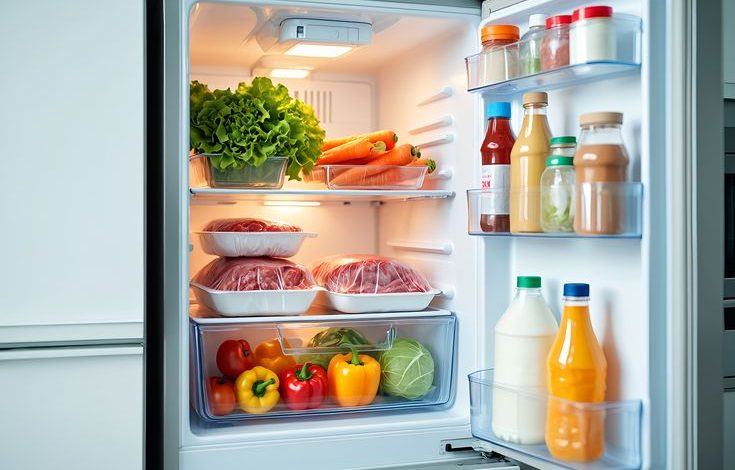
Putting something in the fridge feels like a simple solution: close the door, keep it cold and assume everything inside is being stored at the right temperature. But refrigeration isn’t quite that straightforward. Temperatures can change depending on where an item is placed, how often the door is opened and even how much food is packed inside.
For most everyday groceries, small fluctuations may simply affect freshness or shelf life. For businesses handling products that need to remain within particular temperature ranges, however, knowing what has happened during storage and transport can be much more important. That’s why temperature monitoring devices are used in many cold-storage and supply-chain environments to provide information about the conditions products have experienced.
Even at home, understanding how refrigeration actually works can help you store food more effectively, reduce waste and avoid assuming that everything inside your fridge is equally cold.
Your Fridge Doesn’t Have One Temperature
It might be set to a particular temperature, but that doesn’t mean every corner of your refrigerator stays at exactly that temperature.
Cold air needs to circulate. Different areas can be warmer or cooler depending on the refrigerator’s design, where vents are located and how items are arranged.
The door is a good example. Every time you open the fridge, items stored there are exposed to warmer air. That can make the door better suited to products that tolerate some temperature variation rather than the most temperature-sensitive items.
If you’re unsure how well your refrigerator is performing, an appliance thermometer can give you a clearer picture than simply relying on the temperature setting.
Opening the Door Has an Effect
Standing in front of an open refrigerator while deciding what to eat might seem harmless, but you’re allowing warm room air inside.
The appliance then needs to bring the temperature back down after the door closes.
Occasional door opening is obviously unavoidable. The more useful habit is simply knowing what you want before opening it and avoiding leaving the door open while doing something else.
It can also help to organise the contents logically. If the milk, leftovers and everyday ingredients are easy to find, you’ll spend less time searching through shelves with the door open.
An Overpacked Fridge Can Cause Problems
A completely full refrigerator may seem efficient, but packing items too tightly can restrict airflow.
Refrigerators rely on cold air circulating around their contents. If containers and packages are crammed against one another or blocking vents, temperatures may become less consistent.
On the other hand, good organisation doesn’t mean you need a nearly empty fridge. The goal is simply to leave enough space for air to move and avoid blocking areas designed for circulation.
It’s also a good opportunity to remove forgotten food. If half the fridge is occupied by old containers nobody plans to eat, clearing them out creates more usable space for the things you actually need to keep cold.
The Journey to the Fridge Matters
Refrigeration doesn’t begin when you put groceries away.
Consider frozen food on the journey home from the supermarket. It leaves a freezer, sits in your trolley, travels through the checkout, waits in the car and eventually reaches your home freezer.
The longer that journey takes, particularly in warm conditions, the more opportunity there is for the product’s temperature to change.
A little planning can help. Pick up refrigerated and frozen products towards the end of your shop, travel home reasonably promptly and unpack temperature-sensitive groceries first.
For longer journeys, an insulated cooler or bag can help maintain colder conditions until you get home.
Cooling Something Down Takes Time
Another common assumption is that placing something in a refrigerator makes it cold immediately.
It doesn’t.
A warm item needs time to lose heat, and factors such as its size, container and starting temperature can influence how quickly that happens.
This is worth remembering when preparing food ahead of time or moving items between locations. Simply placing something into a chilled environment doesn’t mean the entire item instantly reaches the surrounding temperature.
That’s one reason temperature control is about more than where something is stored. Time matters as well.
Refrigeration Can’t Undo Poor Handling
Perhaps the biggest misconception about refrigeration is that it can somehow reset the clock.
If a perishable product has already spent too long under unsuitable conditions, putting it back into a refrigerator doesn’t reverse whatever happened beforehand. Cooling can slow further deterioration, but it can’t necessarily restore the product to its previous condition.
This is why good handling habits matter throughout the entire process.
At home, that means paying attention to how long perishable groceries or prepared foods spend outside refrigeration and following appropriate storage instructions rather than relying solely on appearance.
Think Beyond the Fridge Door
Keeping something cold is really about maintaining suitable conditions over time.
The refrigerator itself is only one part of that process. Where you place an item, how the fridge is packed, how frequently the door is opened and what happened before the product reached the fridge can all matter.
You don’t need to obsess over every minor temperature change in everyday life. A few sensible habits go a long way: keep your fridge organised, avoid blocking airflow, put groceries away promptly and follow the storage instructions provided with perishable products.
Once you understand that refrigeration is a process rather than an on-off switch, keeping temperature-sensitive products properly stored becomes much easier.