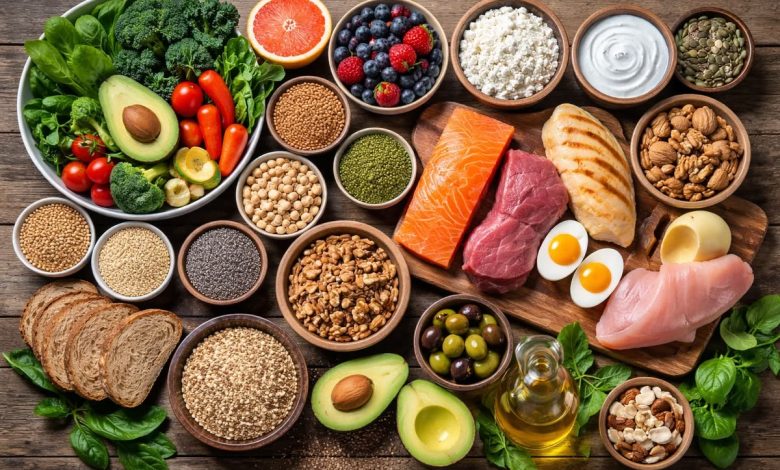
You open the fridge, pick up something you bought only a few days ago and give it a quick inspection. It looks normal. There’s no strange smell, no visible mould and nothing that immediately suggests it belongs in the bin. That can make it tempting to assume it’s perfectly safe to eat.
The problem is that appearance doesn’t always tell you what’s happening to food. Temperature, storage conditions, moisture and the amount of time food spends outside refrigeration can all affect how quickly it deteriorates. That’s why businesses handling perishable products often rely on controlled storage and refrigerated couriers during transport rather than simply checking whether food still looks fresh when it arrives.
Understanding what causes food to spoil can also help at home. A few simple changes to the way you shop, store and handle groceries can reduce waste while helping you make safer decisions about what you eat.
Your Fridge Slows Spoilage — It Doesn’t Stop It
Refrigeration is extremely useful, but it doesn’t freeze food in time.
Lower temperatures slow the growth of many microorganisms and the chemical reactions that cause foods to deteriorate. They don’t necessarily stop them completely. That’s why milk, meat, leftovers and other refrigerated products still have limited storage lives.
Fridge temperature matters too. If the temperature is too high, perishable food may deteriorate more quickly.
Avoid leaving the fridge door open unnecessarily, and don’t pack it so tightly that cold air can’t circulate properly. If you’re unsure whether your fridge is maintaining an appropriate temperature, a simple appliance thermometer can help you check.
Food Can Spend Too Long Outside the Fridge
Think about what happens between picking up milk at the supermarket and putting it into your refrigerator.
You might finish the rest of your shopping, drive home, stop somewhere on the way and then spend another 15 minutes unpacking everything.
One trip probably doesn’t seem significant. But temperature-sensitive food can also experience changes during earlier stages of its journey through storage and transport.
At home, make refrigerated and frozen items some of the last things you put into your trolley. Once you’ve finished shopping, head home reasonably promptly and put perishable items away first.
An insulated bag or cooler can also be useful if you have a long journey home, particularly on hot days.
Where You Store Food in the Fridge Matters
The refrigerator door might have a perfectly shaped compartment for certain items, but that doesn’t necessarily make it the best place for highly perishable food.
The temperature around the door can fluctuate as it is repeatedly opened. More temperature-sensitive items are generally better kept in the main body of the fridge where conditions tend to be more consistent.
Organisation also helps prevent food from disappearing behind newer groceries.
Try moving older products towards the front when unpacking your shopping. That simple habit makes it more likely you’ll use them before opening something new.
Moisture Can Speed Up Deterioration
Have you ever bought a container of berries only to discover a few soft or mouldy ones surprisingly quickly?
Moisture can contribute to deterioration in many fresh foods. How you store produce can therefore make a noticeable difference to how long it lasts.
Different foods have different storage needs, so there’s no universal rule. Some produce benefits from refrigeration, while other items may be better stored elsewhere until they’re ripe.
Pay attention to packaging instructions rather than assuming everything lasts longest in the same environment.
It’s also worth regularly checking fresh produce. Removing an obviously spoiled piece can prevent forgotten food from sitting in the container until the entire package needs to be discarded.
Smell and Appearance Aren’t Perfect Safety Tests
The sniff test has probably saved plenty of questionable leftovers from being eaten, but it shouldn’t be treated as a complete food safety system.
Some types of food spoilage produce obvious changes in smell, colour or texture. However, microorganisms capable of causing foodborne illness don’t always produce changes you can detect with your senses.
That’s an important distinction: food that smells unpleasant may clearly need to be discarded, but food looking and smelling normal doesn’t automatically prove it’s safe.
Follow storage instructions and date information, and be particularly careful with perishable foods that have been stored incorrectly or left unrefrigerated for an uncertain period.
When you’re genuinely unsure about the safety of a high-risk food, throwing it away is usually a better option than gambling on appearance alone.
Leftovers Need Attention Too
Leftovers are easy to forget because they’re often placed into an unmarked container and pushed towards the back of the fridge.
Make them easier to manage by storing them in clean, covered containers and noting when they were prepared. This removes the familiar mystery of trying to remember whether something was cooked yesterday or several days ago.
Avoid leaving cooked food sitting out unnecessarily before refrigerating it. When reheating leftovers, follow appropriate food-safety guidance for the particular food you’re handling.
Freshness Starts Before You Open the Fridge
Keeping food fresh isn’t just about checking expiry dates or looking for mould. Temperature and handling matter throughout the product’s journey, including what happens after you bring it home.
Shop with refrigeration in mind, put perishable groceries away promptly, keep your fridge operating correctly and organise food so older items are used first. Most importantly, don’t rely entirely on your eyes and nose to decide whether something is safe.
Food can look perfectly ordinary while giving you very little information about how it has been stored. Knowing that makes it much easier to handle perishables carefully, waste less food and recognise when something simply isn’t worth the risk.